
Toddler Lunch Ideas for 2-Year-Olds: 35+ Easy & Healthy Meals
🟢 Quick Facts
•By Tiny Tummies Food
•Updated August 2026
• 9 min read
|
Age |
18–36 months |
|---|---|
|
Meal Type |
Lunch |
|
Prep Time |
5–15 minutes |
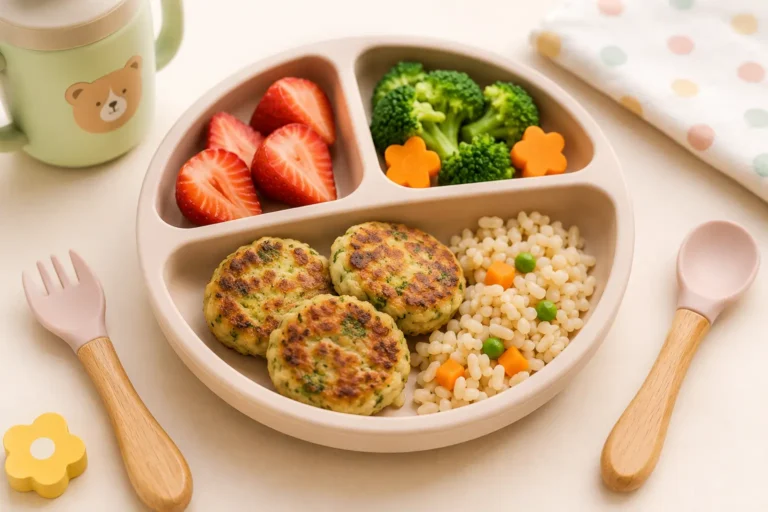
|
Difficulty |
Easy |
|
Best For |
Busy weekdays, picky eaters, batch prep |
If you’re searching for toddler lunch ideas for a 2-year-old, you already know the real problem isn’t a lack of recipes online — it’s finding lunches your specific toddler will actually eat on a Tuesday, not just ones that photograph well. Somewhere around the two-year mark, lunch stops being simple. Your toddler has opinions now. Yesterday’s favorite sandwich might get thrown on the floor today, and the meal you spent twenty minutes on could get exactly two bites before “all done” is announced.
The truth is, lunch for a 2-year-old doesn’t need to be creative or elaborate. It needs to be quick, balanced enough to matter, and flexible enough to survive a day when your toddler decides bread is suddenly the enemy. Below is a running list of over 35 toddler lunch ideas that have worked for real toddlers on real weekdays — not Pinterest-perfect bento boxes, just meals that actually get eaten.
What a 2-Year-Old Actually Needs at Lunch
Good toddler lunch ideas for a 2-year-old start with understanding what their body actually needs at this stage. At two, toddlers are eating more like the rest of the family, but their stomachs are still small and their appetites can swing wildly from one day to the next. A reasonable lunch usually includes a small protein, a grain or starch, and a fruit or vegetable — though on some days, your toddler might eat almost all of one and none of the others, and that’s completely normal.
Toddler portions are usually much smaller than adult portions. At two, toddlers are eating more like the rest of the family — but their stomachs are still small and their appetites can swing wildly from one day to the next. Appetite can vary from meal to meal, so there is no need to make every lunch perfectly balanced.
What matters more than any single lunch is the pattern across the week. One less-balanced meal usually isn’t a problem — what matters more is the variety your child gets across several meals and days. Toddlers are generally better at regulating their own intake over time than we give them credit for.
35+ Toddler Lunch Ideas for 2-Year-Olds
Sandwich & Wrap Ideas
Sandwiches are a weekday staple for a reason — they’re fast, portable, and easy to customize around whatever your toddler is willing to eat that day.

1. Mini cream cheese and cucumber sandwiches — spread plain cream cheese generously on soft whole wheat bread, add very thin cucumber slices, cut into small squares. Zero cooking required, with some calcium and protein from the cream cheese, and ready in under two minutes. Most two year olds find this mild combination very easy to accept — and on the days when nothing else is working, this is usually the one that gets eaten without argument.
2. Turkey and cheese roll-ups — thin slices of low-sodium turkey wrapped around mild cheese, rolled up and cut into small rounds. No bread required, which makes this genuinely useful for toddlers going through a bread refusal phase — and that phase is real, it happens, and it passes. Protein from both the turkey and cheese, calcium from the cheese.
3. Peanut butter and banana wrap — Spread smooth peanut butter very thinly on a small whole wheat tortilla — thin enough that it blends into the wrap rather than sitting in a thick layer, which is both a choking safety point and a flavor balance one. Add thin slices of ripe banana, roll up firmly, and slice into small pinwheel rounds. The spiral shape tends to make this more appealing to two year olds than a regular sandwich, and the combination of natural sweetness from the banana and protein from the nut butter makes it a satisfying lunch option that combines carbohydrate, fat and protein.
4. Egg salad on soft whole wheat bread — Hard boil an egg, cool it completely, then mash with a fork alongside a small spoonful of plain yogurt rather than mayonnaise for a milder, slightly tangier flavor that most toddlers find easier to accept. Spread generously on soft whole wheat bread and cut into small squares — crusts on or off depending on your toddler’s current views on crusts, which can change without notice. High in protein and genuinely one of the fastest nutritious sandwich fillings you can make from ingredients already in the fridge.
5. Hummus and shredded carrot pita pocket — Warm a small soft pita in a dry pan for about 30 seconds each side until just pliable, then open carefully and fill with smooth hummus and very finely grated or shredded carrot. The warming step is worth doing — cold pita is significantly harder for toddlers to bite through and chew than a warmed one. Chickpeas in the hummus provide plant-based protein and iron, and the carrot adds beta-carotene in a form most toddlers accept without complaint because it is hidden inside something they already like.
6. Grilled cheese cut into shapes — Make a standard grilled cheese by melting mild cheese between two slices of soft whole wheat bread in a buttered pan until golden on both sides. Let it cool for a full minute before cutting — the cheese holds heat much longer than it appears to. Use a small star or heart cookie cutter to press out a shape, then cut the remaining bread into small pieces so nothing is wasted. Changing the shape can make a familiar food feel a little more interesting, especially for toddlers who enjoy choosing how their food looks.
7. Avocado and mashed chickpea sandwich — Mash half a ripe avocado and two tablespoons of well-cooked canned chickpeas together with a fork until you get a rough, spreadable consistency — not completely smooth, but soft enough that there are no large chunks. Spread generously on soft whole wheat bread and cut into small squares. No salt needed — the chickpeas have enough natural flavor on their own, and the avocado adds a richness that makes this feel more substantial than it looks.
Bowl & Plate Meals
These work well when your toddler is in more of an “eat with a spoon” mood than a “pick it up” one.
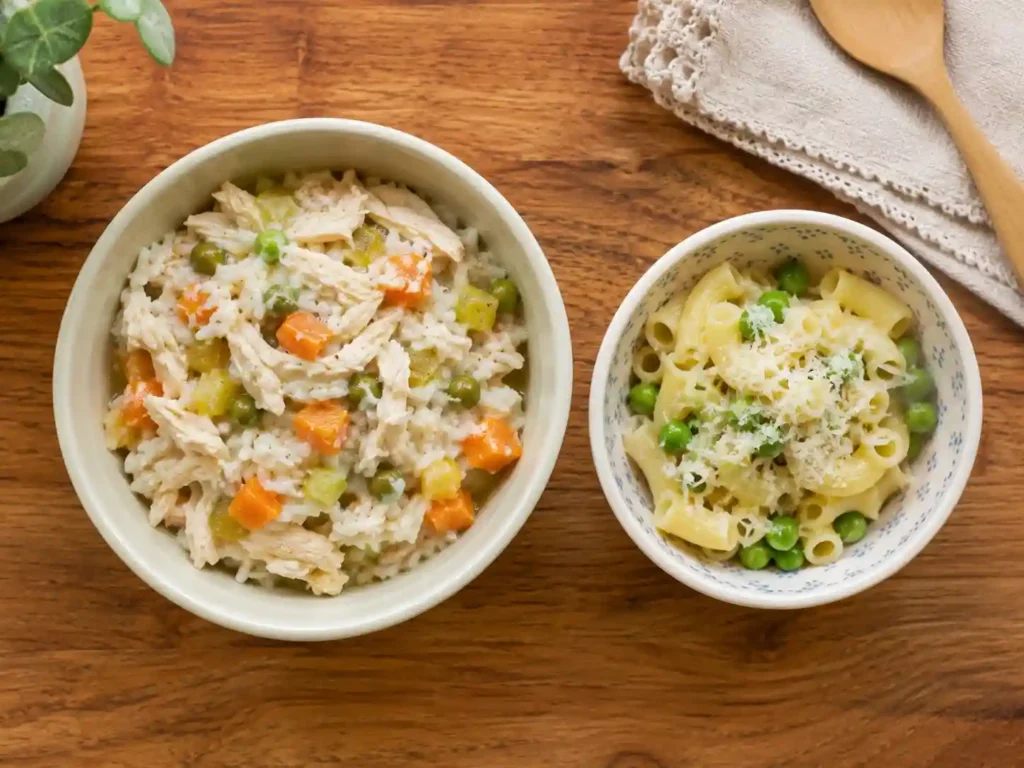
8. Mini rice bowl with vegetables and chicken — soft cooked rice topped with very finely shredded chicken and whatever soft cooked vegetables are in the fridge. Drizzle with a little olive oil or ghee. One of the most reliably accepted lunches for two year olds because it is mild, familiar, and filling — and it uses up leftovers without any extra cooking.
9. Pasta with peas and parmesan — Cook small pasta shapes until very soft —
significantly softer than you would make it for yourself — then toss with a drizzle of olive oil, a small sprinkle of grated parmesan, and soft steamed peas mixed
through. The parmesan adds a savory depth that makes this considerably more
interesting than plain pasta without adding salt, and most two year olds eat it without any persuasion. One of those lunches that takes about ten minutes total and consistently gets finished.
10. Soft scrambled eggs with avocado — Cook scrambled eggs over very low heat, stirring constantly until just barely set and still very soft — much softer than you would make them for yourself. Serve alongside small pieces of ripe avocado or a few strips of avocado toast. It provides protein and choline from the eggs along with healthy fats from the avocado, making it a simple, nutrient-dense lunch option.
11. Quinoa with black beans and sweet corn — Cook quinoa in water or mild vegetable broth until soft and the small tails have unfurled, which signals it is properly cooked. Mix with well-cooked black beans and soft sweet corn kernels. Drizzle with a little olive oil. Quinoa adds protein and variety alongside the black beans, while the soft corn brings a little sweetness. A good vegetarian lunch option that introduces a different texture from rice or pasta.
12. Mac and cheese with hidden butternut squash — Roast butternut squash until very soft, blend completely smooth, and stir into a simple cheese sauce before tossing with soft macaroni. The squash blends smoothly into the cheese sauce, adding a mild sweetness along with vitamin A and fiber. One of those recipes where you feel quietly triumphant every time the bowl comes back empty. Make a large batch of the squash puree and freeze in portions for future use.
13. Baked sweet potato with yogurt — Bake a small sweet potato at 180°C for about 45 minutes until completely soft all the way through — a skewer should slide in with no resistance. Split open and top with a spoonful of plain full-fat yogurt. The combination of naturally sweet, soft potato with cool creamy yogurt works surprisingly well together and most toddlers find both textures easy to manage with a spoon. Rich in vitamin A from the sweet potato and calcium and protein from the yogurt. Put the sweet potato in the oven while your toddler naps and it practically makes itself.
14. Mini quesadilla triangles — mild cheese melted inside a small whole wheat tortilla, folded and cut into triangles. Four minutes to make, protein and calcium from the cheese, and something most two year olds find genuinely appealing because of the warm cheesy flavor. Add a small amount of soft avocado inside for extra healthy fat if your toddler accepts it.
Finger Food & Muffin Tin Lunches
On the days your toddler wants to feed themselves and nothing else, a muffin tin lunch is genuinely a lifesaver.

15. Muffin tin lunch — Fill each cup of a silicone muffin tin with something different: thinly sliced or finely shredded cheese in one, soft banana pieces in another, a few toddler-appropriate whole-grain crackers, and pieces of soft-boiled egg. The separate compartments make this genuinely exciting to two year olds who like knowing exactly what is in each section. No cooking required if you have a boiled egg ready — and keeping a few boiled eggs in the fridge makes this a two-minute lunch assembly.
16. Veggie fritters with yogurt dip — Grate courgette or carrot very finely, squeeze out excess moisture in a clean cloth, mix with egg and a little oat flour, and cook small Veggie fritters in a little oil until golden and soft. Serve with plain yogurt on the side for dipping. The dipping element makes these go down much better than plain vegetables would and most two year olds eat them without any resistance.
17. Mini meatballs with pasta — Make very small meatballs from finely minced chicken or turkey with a little grated courgette mixed in, bake until cooked through, and serve alongside small soft pasta shapes with a mild tomato sauce. Cut meatballs into smaller pieces for younger two year olds still working on
chewing. Freeze a batch on the weekend and this becomes a five-minute weekday lunch.
18. Homemade chicken nuggets — Coat thin strips of chicken breast in whisked
egg and fine breadcrumbs and bake at 180°C for 15 minutes until cooked through.
No salt, much lower in sodium than any packaged version, and something the whole family can eat together. Serve with steamed broccoli florets and a small pot of mild yogurt or hummus for dipping. Make a large batch and freeze — reheats
from frozen in the oven in about 12 minutes.
19. Cheese and cracker platter — Cut mild cheddar or mozzarella into small cubes and arrange on a small plate alongside a few whole grain crackers
and some soft fruit pieces. Simple, zero cooking, and reliably accepted even on the most difficult appetite days. Add a small pot of hummus or yogurt alongside if you want to include protein without any extra effort.
20. Roasted sweet potato fries — Cut sweet potato into thin strip shapes, toss with a tiny amount of olive oil, and bake at 180°C for 20 minutes until soft inside and slightly golden outside. Cool before serving. Naturally sweet, rich in vitamin A, and one of those vegetables that most toddlers accept readily because the sweetness does most of the convincing. Make extra and refrigerate — they keep well for two days.
21. Banana oat pancake roll-ups — Make a thin banana oat pancake using one mashed banana, one egg, and two tablespoons of oat flour. Cook flat, cool slightly, then roll up and slice into small rounds. The pinwheel shape is easy for two year olds to pick up and eat independently. A good way to use up batter left from breakfast, or to use frozen pancakes reheated and rolled fresh at lunchtime.
Soup & Warm Meals
Soup can be hit or miss with toddlers, but on cooler days it’s worth having a few of these in rotation.

22. Creamy tomato soup with dippers — Warm, blended tomato soup served with grilled cheese cut into strips for dunking. Soup is hit or miss with toddlers but the dipping element genuinely helps — most toddlers who refuse soup from a spoon will happily dip bread into it, which counts. Serve slightly cooled and always supervise.
23. Chicken and vegetable soup — Make a simple broth with soft shredded chicken, finely diced carrot, potato, and peas. Cook until everything is completely soft, then blend lightly — not completely smooth, just enough to break down the larger pieces into something easier to spoon up independently. This is the lunch I reach for on the days when my son seems off — teething, slightly under the weather, or just tired from a busy morning. Warm, comforting, and something two year olds tend to accept more readily than solid food on difficult appetite days. Serve slightly cooled with a small piece of soft bread on the side.
24. Lentil soup with soft bread — Cook red lentils with diced carrot, a little cumin, and a pinch of turmeric until everything is very soft and naturally thick. Blend completely smooth. Serve warm with a piece of soft whole wheat bread cut into strips for dipping. The dipping element is genuinely important here — most toddlers who are lukewarm about soup will happily dip bread into it, and that counts as eating the soup. Rich in iron and plant-based protein, and something that reheats perfectly from a weekend batch. One of the most nutritious easy toddler lunches available that most two year olds accept without any resistance.
25. Mild vegetable and rice soup — Cook soft rice in a simple vegetable broth
with finely diced courgette, peas, and sweet corn until everything is very soft and the rice has thickened the broth naturally. No blending needed — the texture is already gentle enough for most two year olds to manage with a spoon. Serve slightly cooled so it is safe to eat independently. A good light lunch option for warmer days when appetite is lower, or for toddlers who prefer something less heavy than a rice bowl or pasta. The rice makes it filling enough to carry them through to the afternoon snack without needing anything else alongside.
Fruit & Veggie Pairings
Sometimes the simplest option is the one that actually gets eaten.
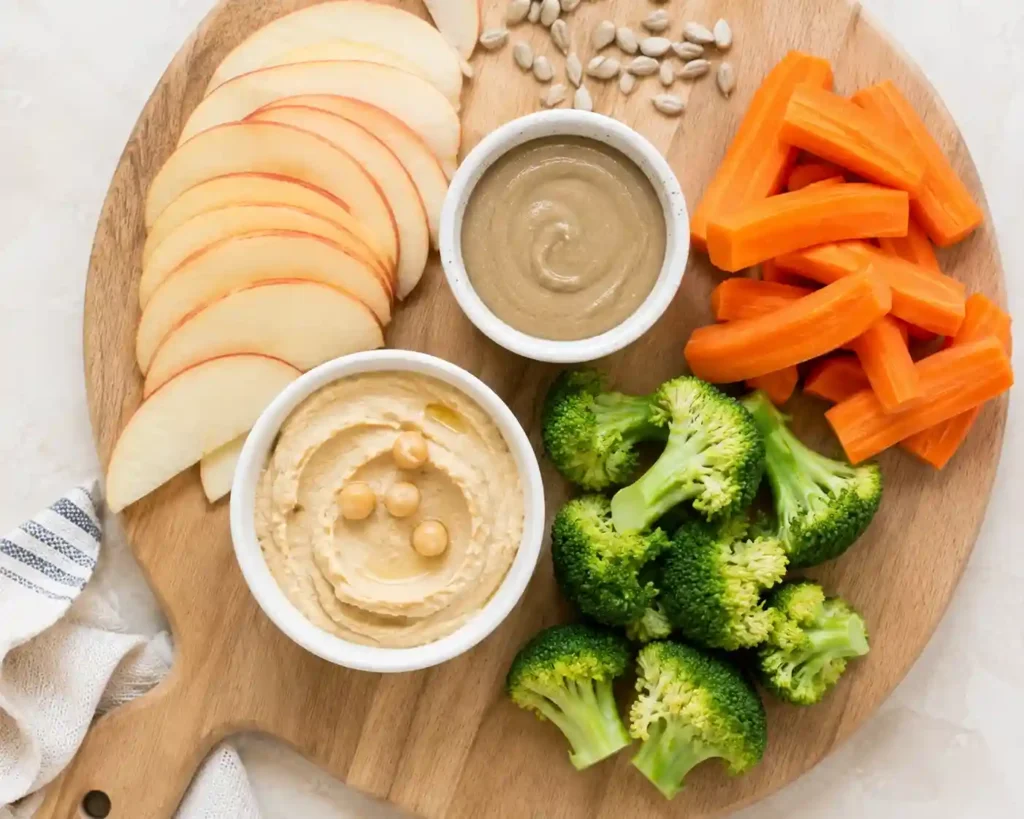
26. Apple slices with sunflower seed butter — For a safer texture, choose a very ripe apple and slice it very thinly, or lightly cook it until soft. Adjust the size and texture to your child’s chewing and feeding skills. Spread a small amount of smooth sunflower seed butter in a little bowl on the side for dipping. The dipping format works well with two year olds who are in a self-feeding phase — they get to control how much butter goes on each slice, which most find genuinely satisfying. Good source of natural energy and healthy fat.
27. Steamed veggies with hummus — Steam carrot pieces and broccoli florets until completely soft and easy to mash between your fingers, then cut or break them into pieces appropriate for your toddler’s feeding skills. Serve warm alongside a small bowl of smooth hummus for dipping. The hummus adds plant-based protein and iron from the chickpeas, and most two year olds find the dipping format much more appealing than plain steamed vegetables on a plate. A good way to get vegetables into lunch without any argument.
28. Watermelon and cheese pieces — Cut seedless watermelon into small cubes and serve alongside small cubes of mild cheddar or mozzarella. Always serve separately rather than skewered, and cut to an appropriate size. The combination of sweet and savory works surprisingly well together and the contrasting colors on the plate tend to attract toddler interest. Particularly good on warm days when appetite is lower and something light and hydrating fits better than a heavier lunch.
29. Roasted butternut squash cubes — Peel and dice butternut squash into small cubes, toss with a tiny amount of olive oil, and roast at 180°C for about 25 minutes until completely soft and slightly caramelized at the edges. Cool before serving. The natural sweetness that develops during roasting makes these almost universally accepted by two year olds — even those who refuse most vegetables in other forms. Make a large batch and refrigerate for up to three days.
30. Pear slices with cottage cheese — Choose a very ripe pear, peel it, and cut into thin soft slices. Serve alongside a small scoop of plain full-fat cottage cheese. The mild sweetness of the pear pairs well with the slightly tangy cottage cheese and most toddlers find the soft textures easy to manage. High in protein and calcium from the cottage cheese, natural vitamins from the pear. One of those lunches that takes about ninety seconds to prepare and consistently gets eaten.
Leftover-Friendly Lunches
Some of the best lunch ideas for toddlers come from last night’s dinner.
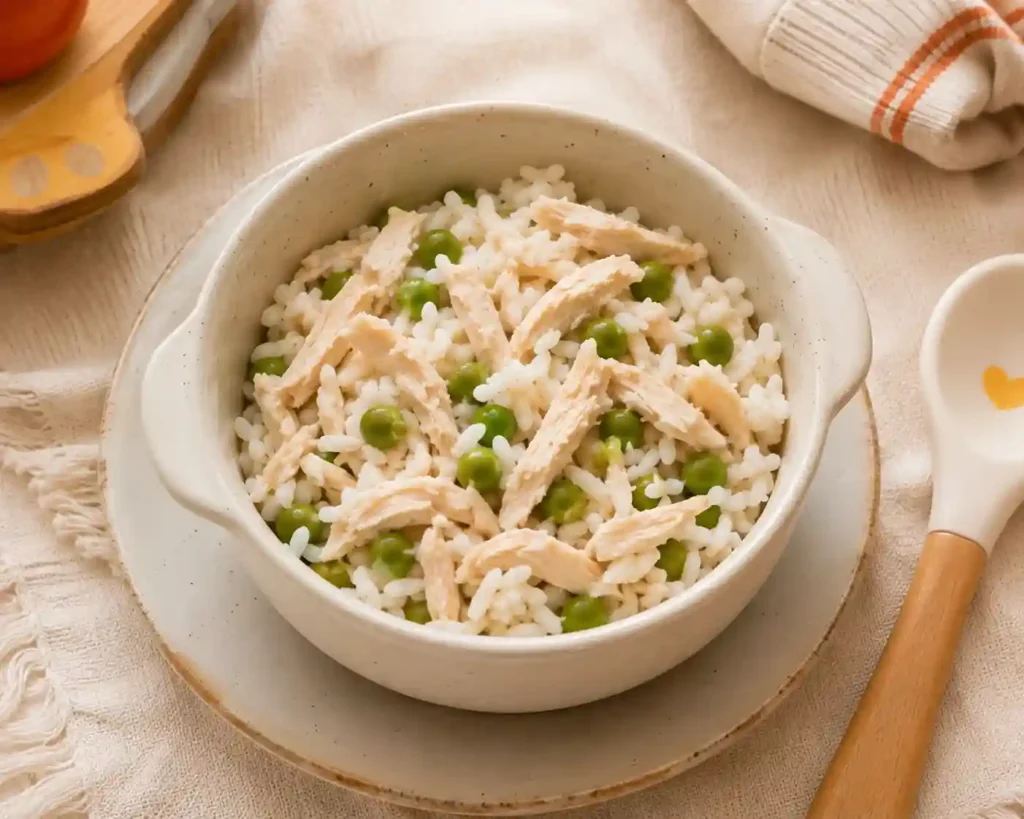
31. Shredded chicken with rice and peas — yesterday’s chicken, shredded finely, reheated with soft rice and warmed peas and a drizzle of olive oil. One of the most practical leftover toddler lunches because it reheats in two minutes and is almost never refused. Keep batch-cooked shredded chicken in the freezer for exactly these moments.
32. Mini English muffin pizza — Split a whole wheat English muffin, spread a thin
layer of mild tomato sauce on each half, and top with grated mild cheese. Grill or toast until the cheese is melted and just starting to bubble. Cool slightly before serving and cut into smaller pieces for easier handling. This one tends to get eaten enthusiastically — the familiar pizza format feels exciting to two year olds and the whole thing takes about four minutes to make from fridge to table.
33. Leftover salmon over rice — Flake yesterday’s baked or steamed salmon into
small pieces — checking carefully for any bones — and serve over warmed soft rice with a drizzle of olive oil. The mild flavor of salmon sits well with plain rice
and most two year olds who have been introduced to fish accept this combination
without resistance. Salmon provides protein and omega-3 fatty acids, making it a nutritious option to include when your toddler already eats fish.
34. Veggie fried rice with egg — Heat a little oil in a pan, add leftover cooked
rice and whatever soft cooked vegetables are available — peas, sweet corn, and
finely diced carrot all work well. Crack in one egg and scramble it through the
rice until just cooked. No salt needed — the egg adds plenty of flavor on its own.
One of the most practical leftover lunches because it uses up rice from the previous day and comes together in about six minutes with almost no effort.
35. Warmed roasted vegetables — Take yesterday’s roasted vegetables — sweet
potato, carrot, courgette, or butternut squash all work well — dice them into smaller pieces if needed, and warm briefly in a pan or microwave. Serve alongside a protein source like soft cheese cubes, a boiled egg, or some hummus to make it a proper meal rather than just a side. Requires almost zero effort on the day and is a good reminder that batch roasting vegetables on the weekend quietly pays off all week long.
South Asian Lunch Ideas for Toddlers
South Asian staples deserve a real place in any toddler lunch ideas 2 year old list, not just a passing mention, since they’re some of the most reliably accepted lunches across households that already cook this way at home.
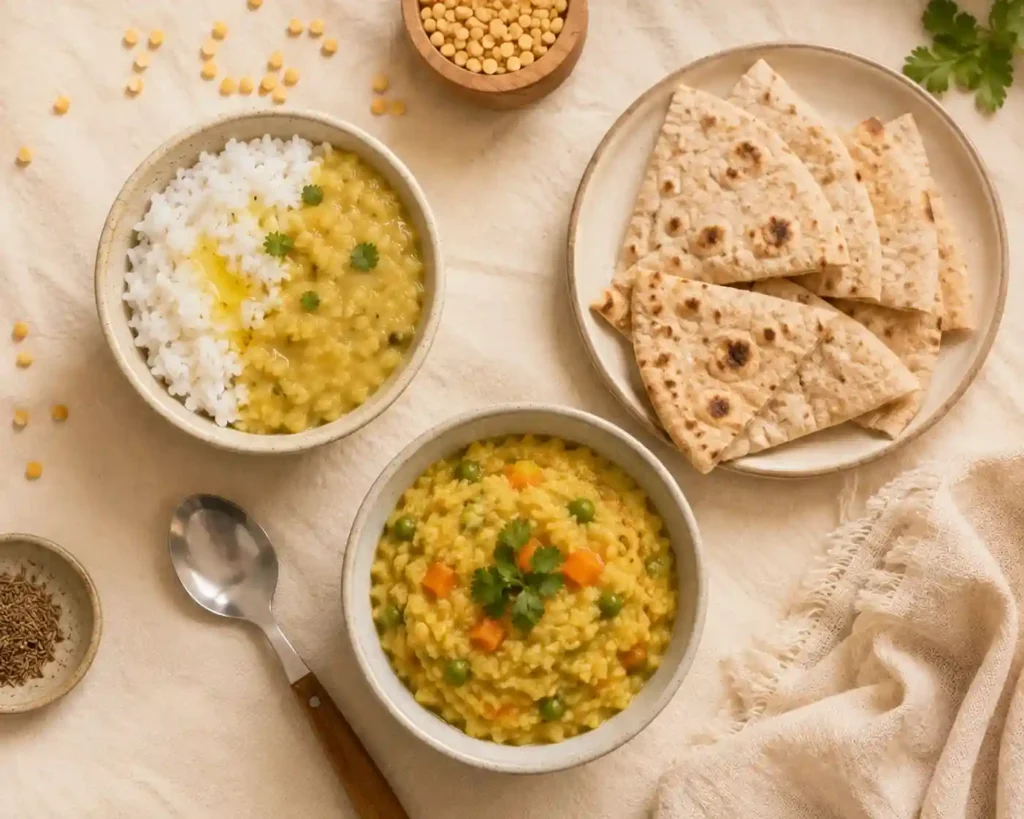
Dal chawal: Soft yellow lentils cooked with a pinch of turmeric, served over rice with a small drizzle of ghee. For a full recipe and age-by-age breakdown, see our dal recipe for toddlers guide.
Khichdi with vegetables: Rice and lentils cooked together until soft, with finely chopped carrots or peas mixed in. Our khichdi for babies guide covers the base recipe and how it changes as your toddler grows.
Roti with mild dal or vegetable curry: Soft roti torn into small pieces, paired with mashed dal or a mild vegetable curry, makes a filling and familiar midday meal.
Curd rice: Cool and mild, curd rice can be a simple option for toddlers who enjoy softer textures and familiar flavors.
Why Repetition at Lunch Is Actually Fine
If you feel like you’re serving the same five lunches on rotation, that’s not a failure — it’s actually a normal and fairly effective approach at this age. Many toddlers find familiar routines and familiar foods reassuring, and a familiar lunch can lower the chances of a mealtime meltdown before it even starts. The goal isn’t variety at every single meal; it’s variety across the week, spread out between breakfast, lunch, dinner, and snacks.
That said, it’s worth rotating in one small new element every so often — a new fruit alongside a familiar sandwich, or a slightly different shape of the same vegetable. Small, low-pressure exposure tends to work far better than introducing an entirely new meal all at once.
Tips That Actually Make Lunchtime Easier
Keep portions small to start. A plate that looks manageable is far less intimidating than one piled high. You can always offer more.
Pair something new with something familiar. If you’re introducing a new food, serve it next to something your toddler already reliably eats. It keeps the meal low-stakes for both of you.
Cut food into toddler-safe shapes. Round foods such as grapes and cherry tomatoes should be prepared into toddler-safe shapes, such as quartering grapes lengthwise and cutting cherry tomatoes appropriately. Always have your toddler seated and supervised while eating.
Let go of the pressure to finish the plate. Toddlers are generally good at knowing when they’ve had enough. Pushing extra bites can sometimes create more resistance than it solves.
Batch prep on the weekend. Cooking a batch of rice, roasted vegetables, and cooked protein ahead of time can turn weekday lunch into an assembly job rather than a cooking one. Store cooked leftovers promptly in the refrigerator and reheat them thoroughly before serving. Perishable foods should generally be refrigerated within 2 hours, or within 1 hour in very hot conditions. Our 2-Year-Old Meal Plan walks through a full 7-day version of this if you want a ready-made structure to follow.
If you’re dealing with a picky phase, don’t force it. Some weeks lunch will look like plain pasta five days in a row, and that’s okay. Our guide on toddler meals for picky eaters has more ideas built specifically around fussy eating.
Frequently Asked Questions
One Last Thing
Lunch is rarely the meal that goes viral or ends up in a proud photo — it’s the one squeezed between a morning of errands and an afternoon nap, made with whatever’s already in the fridge. That’s exactly what it’s supposed to be. A rotation of seven or eight reliable lunches, repeated without guilt, does more for your toddler’s nutrition over a month than any single elaborate meal ever will.
Keep dal and rice on hand, keep a few muffin tin components ready, and let lunch be the easy meal of the day. It’s allowed to be boring. Boring, eaten, and repeated beats elaborate and refused every time.
This article is for general informational purposes only and does not replace advice from your child’s pediatrician or a registered dietitian. If you have any concerns about your toddler’s nutrition, growth, or feeding, please speak to a qualified healthcare professional.
Sources: American Academy of Pediatrics | World Health Organization