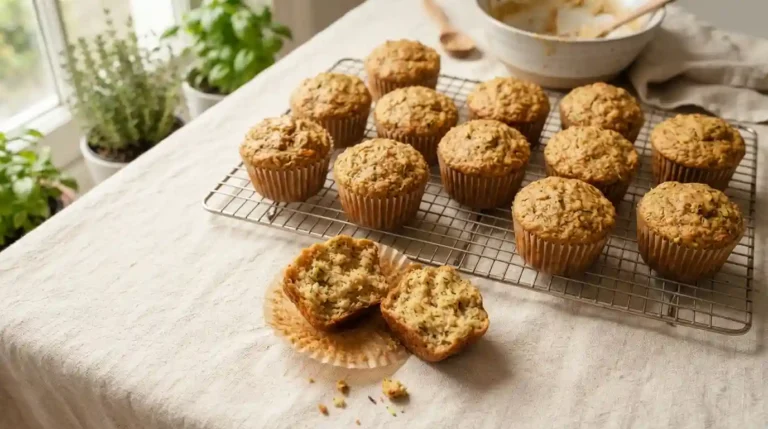

Toddler Meals for Picky Eaters: Easy 7-Day Meal Plan
🟢 Quick Facts
•By Tiny Tummies Food
•Updated September 2026
• 14 min read
|
Age |
About 1–3 years |
|---|---|
|
Meals Per Day |
Meals & Snacks: 3 meals + 1–2 planned snacks |
|
Prep Time |
10–20 minutes |
|
Difficulty |
Easy |
|
Best For |
Fussy eaters, mealtime battles, low-stress feeding |
I put together this plan for toddler meals for picky eaters after a solid month of dinners that ended with more food on the floor than on the plate. My toddler had gone from eating almost anything to inspecting each meal like it might be a trick, and I remember standing at the stove wondering if I was doing something wrong.
I wasn’t, as it turned out — and if you’re in that same stretch right now, there’s a good chance you aren’t either. Picky eating is one of the most common and most misunderstood stages of toddlerhood, and most of what actually helps has less to do with the recipes themselves and more to do with how meals are offered. This guide covers both: a full 7-day breakdown of picky toddler meals built around what fussy eaters tend to accept, and the strategies that make those meals more likely to succeed.
Understanding Picky Eating: Why It Happens
Somewhere between 18 months and 2 years, many toddlers develop what’s called food neophobia — a natural wariness of new or unfamiliar foods. According to the American Academy of Pediatrics, this dislike of unfamiliar foods is a normal developmental stage that many children move through, rather than a sign that something has gone wrong with feeding.
A few things tend to happen around the same time, which can make pickiness feel more intense than it actually is:
- Appetite naturally slows. Growth rate drops significantly after infancy, so toddlers simply need less food relative to their size than they did as babies.
- Independence is asserting itself. Food is one of the few areas where a toddler has real control, and refusing it is an easy way to exercise that control.
- Texture and sensory sensitivity increase. Many toddlers become more particular about how food feels in their mouth, not just how it tastes.
None of this means picky eating will last forever, and it doesn’t mean you need to overhaul how you feed your child. It usually just means the approach that worked at twelve months needs a small adjustment now.
Common Picky-Eating Behaviors (and What They Usually Mean)
If mealtime lately has looked a little chaotic, you’re not alone. A few behaviors come up constantly with parents of picky eaters:
Toddler throwing food. This is often less about the food itself and more about testing a reaction, signaling “I’m done,” or simply enjoying the physics of it. A calm, consistent response — ending the meal without a big reaction — tends to work better over time than a strong response either way.
Toddler holding food in their mouth without swallowing. This is usually a texture issue rather than a swallowing problem. Some toddlers pocket food they’re unsure about while they decide whether to accept it. If it happens occasionally and your child is otherwise growing and developing typically, it’s rarely a cause for concern — though persistent difficulty with swallowing or gagging on a wide range of textures is worth mentioning to your pediatrician.
Refusing foods they used to eat happily. This is one of the more frustrating patterns, and it’s extremely common. A food that was a favorite last month can become an instant rejection this month, seemingly overnight, for reasons that rarely make sense from the outside.
Only wanting the same two or three foods. Known as a food jag, this tends to be temporary, even when it doesn’t feel that way after the tenth night in a row of the same pasta.
Core Strategies for Feeding a Picky Eater
Before getting to the meal plan itself, a few principles make a real difference in how well any of these meals actually land at the table.
Keep offering, without pressure. The AAP’s guidance for parents of picky eaters recommends continuing to offer a balanced meal regardless of whether your child eats it, while resisting the urge to force bites or make a separate meal when food gets refused.
Include one “safe” food at every meal. Pairing something new or less-preferred with at least one food your toddler reliably eats keeps the stakes low and reduces the odds of a meal ending in total refusal.
Let repeated exposure do the work. Many children need repeated exposure to a new food before they become comfortable with it. Keep offering small amounts alongside familiar foods without pressure.
Hold the line on separate meals. Making an entirely different dish once a meal is refused can unintentionally reinforce picky eating over time. One meal for the table, adjusted in preparation rather than replaced entirely, tends to work better long-term.
Involve your toddler where you can. Letting a toddler pick between two vegetables at the store, stir something at the counter, or help set the table gives them a sense of control that doesn’t hinge on what ends up on their plate.
7 Days of Toddler Meals for Picky Eaters
This plan leans on foods that are broadly well-accepted by picky eaters, while still including small, low-pressure opportunities to try something new. It isn’t meant to be followed exactly — swap freely based on what your own toddler currently accepts, and don’t worry if some days look repetitive. Repetition is often exactly what a picky eater needs. For a broader weekly routine, see our 1-Year-Old Meal Plan or 2-Year-Old Meal Plan.
Week at a Glance
|
Day |
Breakfast |
Snack 1 |
Lunch |
Snack 2 |
Dinner |
|---|---|---|---|---|---|
|
Monday |
Plain oatmeal with a few banana slices on the side |
Cheese cubes |
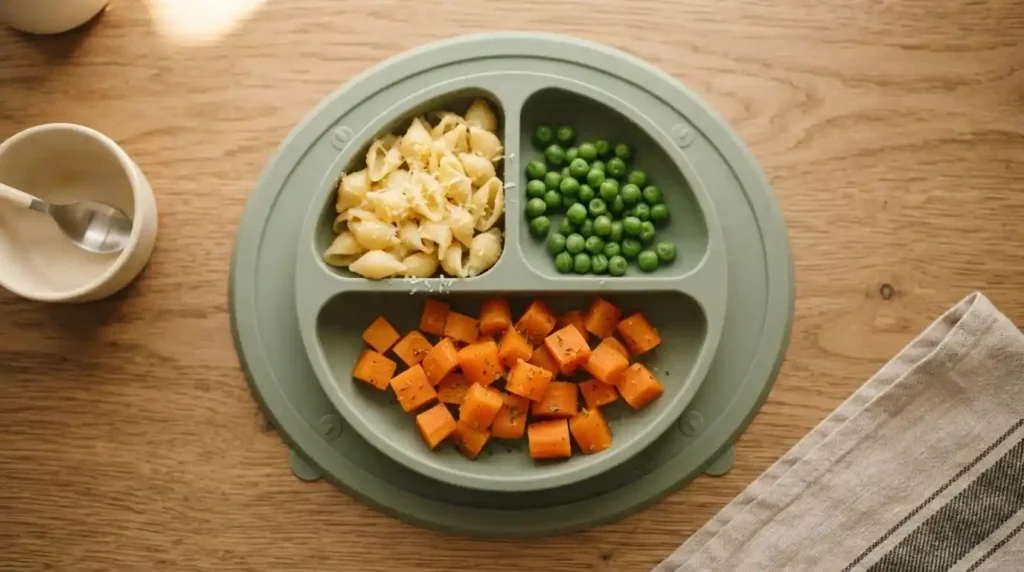
Buttered pasta + a few peas on the plate |
Crackers + apple slices |
Chicken nuggets (homemade) + soft carrots |
|
Tuesday |
Toast with a thin spread of butter |
Yogurt tube or plain yogurt |
Quesadilla, cut into strips |
Rice cakes |
Plain rice + soft chicken pieces |
|
Wednesday |
Scrambled eggs, plain |
Banana |
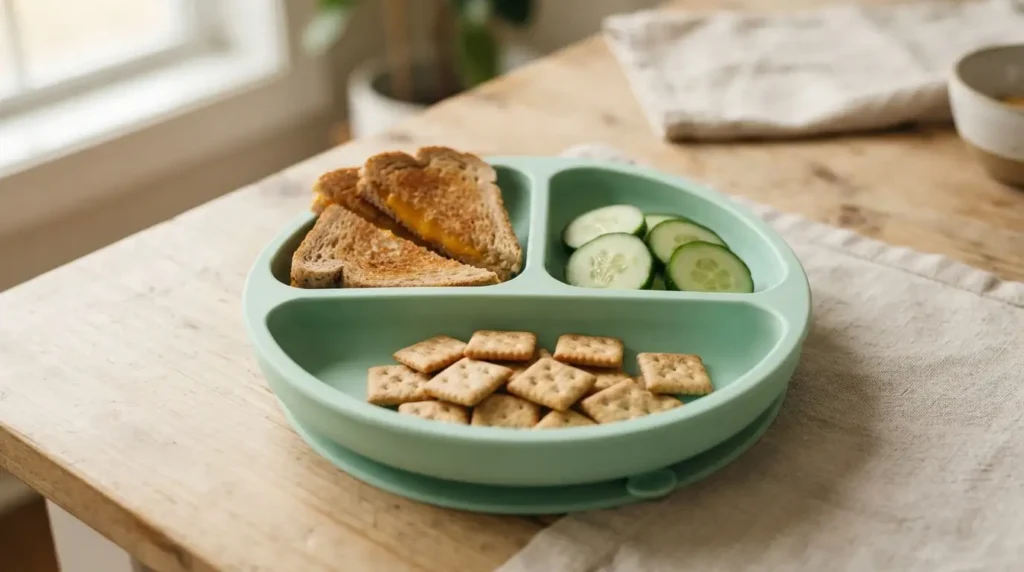
Grilled cheese, cut into triangles |
Cheese crackers |
Meatballs + plain pasta |
|
Thursday |
Pancakes, plain or with a drizzle of syrup |
Cucumber slices |
PB&J on soft bread |
Fruit pouch |
Fish sticks (homemade) + rice |
|
Friday |
Cereal with milk |
Cheese stick |
Hot dog, sliced into coins |
Pretzels |
Homemade pizza, plain cheese |
|
Saturday |
Waffles |
Berries |
Mac and cheese |
Crackers + cheese |
Family taco night, deconstructed |
|
Sunday |
French toast strips |
Applesauce pouch |
Leftover mac and cheese or pizza |
Veggie sticks (offered, no pressure) |
Roast chicken + plain rice + one new veggie on the side |
Day 1 — Monday
Breakfast:
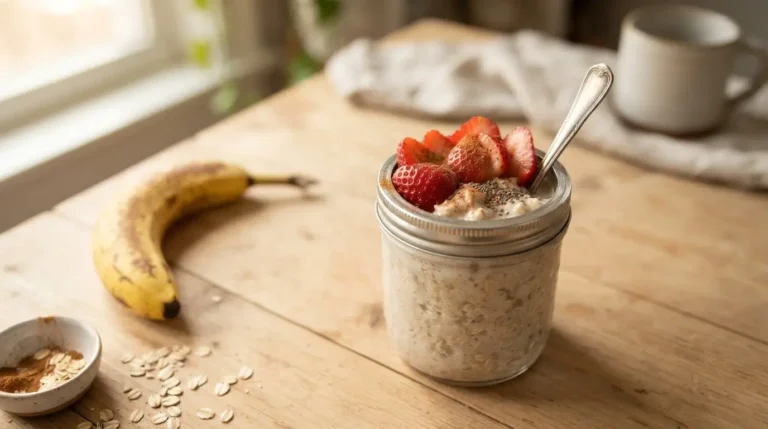
Plain Oatmeal with Banana on the Side
Keep the oatmeal itself completely plain — no mix-ins stirred through — and offer a few banana slices separately rather than mixed in. Many picky eaters are more willing to eat foods that aren’t touching.
Morning Snack:
Small Pieces of Mild Cheese
A simple, familiar snack that can work well during a picky-eating phase. Small, soft pieces of mild cheese make an easy snack. Serve them in an age-appropriate shape and size for your toddler.
Lunch:
Buttered Pasta with a Few Peas on the Plate
Plain buttered pasta as the main event, with a small handful of peas placed on the side of the plate rather than mixed in — offered, not pushed.
Afternoon Snack:
Crackers and Apple Slices
A familiar, easy combination that travels well if you’re out during the day.
Dinner:
Homemade Chicken Nuggets with Soft Carrots
Homemade nuggets give you control over the coating and ingredients, and soft-cooked carrots on the side keep a vegetable present without making it the focus of the meal.
Day 2 — Tuesday
Breakfast:
Toast with a Thin Spread of Butter
Simple, plain, and quick — a good option on mornings when there isn’t much time.
Morning Snack:
Yogurt Tube or Plain Yogurt
An easy source of protein and calcium that most toddlers accept even during a picky stretch.
Lunch:
Quesadilla Cut into Strips
Cheese quesadilla, cut into finger-food strips rather than wedges, which can feel more approachable to a toddler who prefers to pick up food rather than use utensils.
Afternoon Snack:
Rice Cakes
Light, mild, and easy to keep stocked in the pantry.
Dinner:
Plain Rice with Soft Chicken Pieces
Keeping the chicken unseasoned or very mildly seasoned, and rice completely plain, removes two of the more common reasons a picky eater rejects a dinner outright.
Day 3 — Wednesday
Breakfast:
Plain Scrambled Eggs
No mix-ins, no cheese unless your toddler specifically likes it that way — keep it exactly as familiar as possible.
Morning Snack:
Banana
Banana is a soft, familiar fruit that many toddlers enjoy, and it is easy to serve in an age-appropriate shape.
Lunch:
Grilled Cheese Cut into Triangles
A classic for a reason — mild, warm, and simple.
Afternoon Snack:
Cheese Crackers
Store-bought or homemade, these are easy to portion into small containers for grab-and-go snacking.
Dinner:
Meatballs with Plain Pasta
Soft, mild meatballs served over plain pasta rather than a heavily sauced dish — sauce can be offered on the side for dipping if your toddler is open to it.
Day 4 — Thursday
Breakfast:
Plain Pancakes
A small drizzle of syrup is fine, but keep the pancake itself simple — no fruit or chocolate chips mixed into the batter if your toddler prefers things plain.
Morning Snack:
Cucumber Slices
A cool, mild vegetable that’s easy to offer without much resistance for many toddlers. Offer cucumber or other vegetables in a soft, age-appropriate shape and size.
Lunch:
PB&J on Soft Bread
A dependable lunchbox classic that holds up well even on the pickiest days. Spread peanut butter in a thin, even layer on soft bread, then add a thin layer of jelly.
Afternoon Snack:
Fruit Pouch
Convenient and mess-free, and a reasonable way to get some fruit in if your toddler is refusing whole fruit that day.
Dinner:
Homemade Fish Sticks with Rice
Baked, lightly breaded fish sticks are often more accepted than plain fish, and rice keeps the rest of the plate familiar.
Day 5 — Friday
Breakfast:
Cereal with Milk
An easy, low-effort start to a Friday, especially useful on busier mornings.
Morning Snack:
Cheese Stick
Simple, portable, and rarely refused.
Lunch:
Hot Dog, Cut into Thin Strips
If you serve a hot dog, cut it lengthwise into short, thin strips rather than round pieces, and always have your toddler seated and supervised while eating.
Afternoon Snack:
Pretzels
A mild, crunchy snack that’s easy to keep on hand.
Dinner:
Homemade Pizza with Plain Cheese
Keep the cheese pizza plain if that’s what your toddler prefers, and offer any extra toppings on the side rather than baked in, so they can choose whether to add them.
Day 6 — Saturday
Breakfast:
Waffles
Plain or with a small amount of syrup, waffles make an easy, low-stress weekend breakfast.
Morning Snack:
Berries
Soft berries should be prepared in an age-appropriate size and shape. Cut larger berries into smaller pieces and always supervise your toddler while eating.
Lunch:
Mac and Cheese
Mac and cheese are a familiar, mild option that some picky eaters find easier to accept.
Afternoon Snack:
Crackers and Cheese
An easy combination for a lazy Saturday afternoon.
Food safety note: Choose soft, toddler-appropriate versions of crunchy foods and prepare foods to the size and texture your child can safely manage. Always have your toddler sit upright and stay with them while they eat.
Dinner:
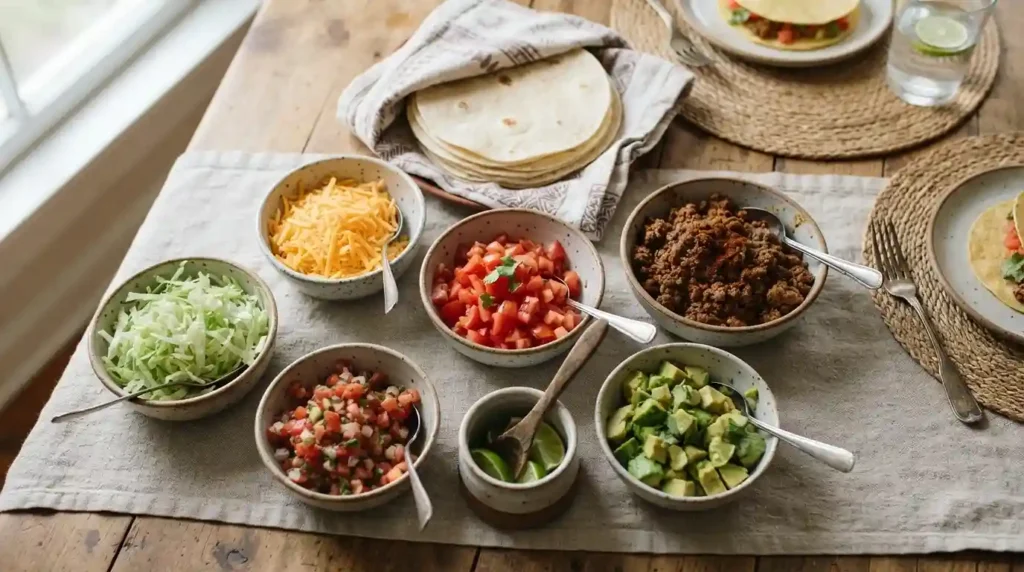
Family Taco Night, Deconstructed
Serve the taco ingredients separately — meat, cheese, tortilla, toppings — rather than assembled, so your toddler can build their own plate from parts they already trust.
Day 7 — Sunday
Breakfast:
French Toast Strips
Cut into strips for easy dipping into a small amount of syrup or plain yogurt.
Morning Snack:
Applesauce Pouch
An easy, familiar snack to close out the week.
Lunch:
Leftover Mac and Cheese or Pizza
A low-effort Sunday lunch built from whatever is left over from earlier in the week.
Afternoon Snack:
Veggie Sticks, Offered Without Pressure
Even if they go untouched, offering them keeps the door open without adding stress to the day. For harder vegetables such as carrots, cook until tender before serving.
Dinner:
Roast Chicken, Plain Rice, and One New Veggie on the Side
A simple family dinner with one small, low-pressure opportunity to try something new, placed on the side rather than mixed into the main meal.
Breakfast Ideas for Picky Eaters
Breakfast is often the easiest meal to get right with a picky eater, since most toddlers have a small handful of breakfast foods they reliably accept. Good options at this meal include plain oatmeal, scrambled eggs, toast, cereal, pancakes, and waffles — all foods that are easy to keep simple and hard to get wrong.
If your toddler is willing, a small side of fruit offered without pressure — even if it goes untouched most days — keeps the door open for it to eventually get eaten.
Lunch Ideas for Picky Eaters
Lunch tends to work best with familiar, handheld formats. Reliable lunch ideas for picky eaters include grilled cheese, quesadillas, buttered pasta, PB&J, and mac and cheese — foods that are mild, soft, and predictable in both taste and texture.
Cutting sandwiches into fun shapes or strips can help, though it’s worth not over-relying on presentation tricks as a long-term strategy — the goal is building comfort with the food itself, not just getting one meal eaten. For more family-friendly lunch inspiration, browse our Toddler Lunch Ideas for 2-Year-Olds.
Dinner Ideas for Picky Eaters
Dinner is usually where families feel the most pressure, since it’s often the meal eaten together. The most successful food for extremely picky eaters toddler at dinner tends to be simple proteins and starches served separately rather than mixed together — plain chicken, plain rice, or pasta with butter rather than a heavily sauced casserole.
Deconstructed versions of family meals — taco ingredients served separately rather than assembled, for example — let a picky eater build their own plate from foods they already trust, while still sitting at the same table eating the same underlying meal as everyone else. You can also explore these Healthy Toddler Dinner Ideas for more simple family meals.
Snacks for Picky Eaters
Snacks are a good place to introduce low-stakes variety, since there’s less pressure attached to a snack than a full meal. Reliable options for snack time include cheese, crackers, yogurt, fruit pouches, and pretzels — items that travel well and are easy to keep on hand for the inevitable “I’m hungry” moment between meals.
What to Do When Your Toddler Refuses a Meal Entirely
This happens to almost every family with a toddler at some point, and it’s worth having a plan for it that doesn’t turn into a nightly negotiation.
Stay neutral. A flat refusal is easier to move past when it’s met with a shrug rather than frustration or bargaining.
Don’t make a separate meal. Offering an alternative right away — even with good intentions — can teach a toddler that refusing dinner reliably produces a different, often more appealing option.
Trust their hunger. A toddler may eat more at the next meal or snack after eating very little at dinner. One skipped meal is usually not a reason to panic, but ongoing food refusal or concerns about growth and nutrition should be discussed with a pediatrician.
Keep the emotional temperature low. Toddlers pick up on tension around food quickly, and a calm, low-key mealtime atmosphere tends to reduce food refusal over time more than any specific food choice does.
Mistakes That Can Make Picky Eating Worse
A few common, well-intentioned habits can unintentionally reinforce picky eating:
Pressuring or bribing. “One more bite” or “you can have dessert if you eat your vegetables” both tend to increase resistance to the food being pressured, rather than building genuine acceptance of it.
Becoming a short-order cook. Making a different meal every time the first one is refused can make it less likely a toddler will eat what’s actually served.
Reacting strongly to refusal. Frustration, disappointment, or even excessive praise for eating can add pressure to what should be a low-stakes moment.
Giving up on repeat exposure too soon. A food refused five times isn’t necessarily a food that will always be refused — many toddlers need far more exposures than that before acceptance happens.
Weekly Grocery List
- Dairy and Eggs: Milk, shredded cheese, Low-sodium cheese options, Plain/full-fat yogurt as appropriate, butter, eggs
- Protein: Chicken breast or tenders, ground beef or turkey, fish sticks, Hot dogs (occasional; choose lower-sodium options when possible), peanut butter
- Grains: Pasta, rice, bread, waffles, pancake mix, crackers, Unsweetened cereal where possible, pretzels, Oats
- Produce: Bananas, apples, berries, cucumber, carrots, peas, applesauce pouches, Fresh/frozen vegetables
- Pantry: Marinara or plain butter for pasta, jelly, syrup, olive oil
Meal Prep Tips for Picky Eaters
Cook the same base proteins in batches. Plain baked chicken or ground meat can be repurposed across tacos, pasta, and rice bowls without much extra effort. Cool cooked foods promptly, refrigerate or freeze them safely, and reheat leftovers thoroughly before serving.
Keep a rotating stock of “safe” foods on hand. Having a reliable backup — crackers, cheese, a favorite fruit — takes the pressure off any single meal going well.
Prep new foods in small amounts. Rather than a full serving of a new food, a tablespoon-sized portion alongside familiar favorites keeps waste low and pressure lower.
Freeze homemade versions of “beige” favorites. Homemade chicken nuggets, meatballs, and fish sticks freeze well and give you more control over ingredients than most store-bought versions. Store foods according to current food-safety guidance rather than relying on room-temperature storage.
Frequently Asked Questions
One Last Thing
Picky eating tests patience in a way almost nothing else about toddlerhood does, mostly because food feels so personal — like a reflection of effort, or care, or whether you’re doing this parenting thing right. Most of the time, it isn’t any of that. It’s a normal, if exhausting, stage that eases with time, low pressure, and a lot of the same meals showing up again and again until, eventually, one of them doesn’t get refused.
Keep the safe foods in rotation. Keep offering the rest without a fight. And give yourself the same grace you’d give any other stage that eventually passes — because this one does too.
This article is for general informational purposes only and does not replace advice from your child’s pediatrician or a registered dietitian. If you have concerns about your child’s growth, nutrition, or feeding, please speak to a qualified healthcare professional.