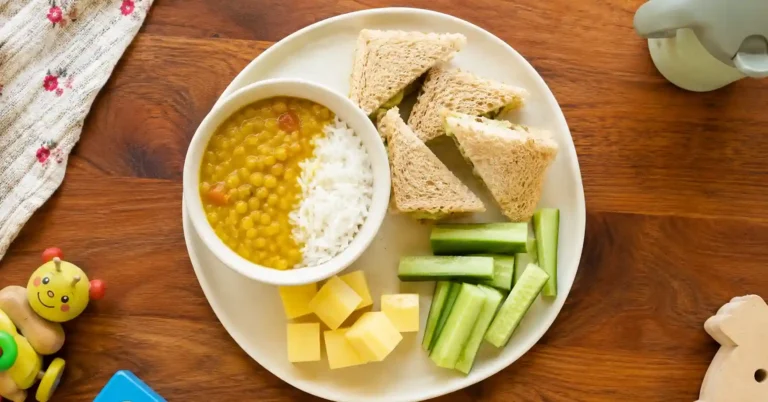

3 Year Old Meal Plan: Easy 7-Day Guide for Parents
🟢 Quick Facts
•By Tiny Tummies Food
•Updated July 2026
• 12 min read
|
Age |
3-4 Years |
|---|---|
|
Meals Per Day |
3 meals + 2 snacks |
|
Prep Time |
10–25 minutes |
|
Difficulty |
Easy |
|
Best For |
Preschool Prep, Picky eaters, busy families |
Three felt like it should be easier than two. It is not automatically easier — it is just differently complicated.
My daughter turned three the same month she started preschool, and for a few weeks it genuinely felt like I had two different children depending on the day. Some mornings she ate a full bowl of oatmeal and asked for seconds. Other mornings the exact same oatmeal was met with a look of deep betrayal, as though I had personally wronged her by serving the food she requested the day before. She started negotiating. She started having opinions about which cup was “her” cup. She once refused dinner entirely and then asked for a snack forty minutes later with a completely straight face, as if the dinner refusal had happened to someone else.
What I eventually figured out is that three year olds are capable of a lot more than they were at two — bigger appetites some days, real conversations at the table, genuine curiosity about new foods if you catch them in the right mood — but they are also newly capable of negotiating, stalling, and testing limits in ways a two year old simply could not manage yet.
The food itself does not need to be complicated. What helps is having a solid rotation of 3 year old meal ideas that work most of the time, built around what actually fits a preschooler’s appetite and independence at this stage. This guide is that rotation — a full 3 year old meal plan for 7 days with breakfast, lunch, dinner, and snacks.
What Changes at Age Three?
The shift from two to three brings real, practical changes to how your child eats.
A full set of teeth, mostly. By around age three, most children have their 20 primary teeth, so chewing skills are much more developed than they were as toddlers. Firmer foods, a wider range of textures, and less need for mashing or extra-soft cooking become possible — though choking risk from foods like whole grapes, hard candy, and large chunks of meat or cheese remains, and preparation still matters.
Bigger appetite, but inconsistent. Three year olds are growing steadily rather than in the rapid bursts of infancy, and appetite often reflects that — some days genuinely hungry, other days barely interested in food. Both are normal, and appetite tends to track activity level and growth spurts more than any fixed schedule.
Real conversation at the table. This is one of the genuinely fun parts of three. Preschoolers can talk about their food, express preferences with actual words instead of just refusal, and engage with mealtime as a social event rather than just a feeding task.
More independence, more negotiation. Three year olds can usually use a fork and spoon competently, pour from a small pitcher with some spillage, and serve themselves in a limited way. They also negotiate — about bedtime, about food, about literally anything — with a persistence that two year olds have not yet developed.
Preschool and new routines. Many three year olds start preschool or daycare around this age, which introduces new mealtime routines, peer influence around food, and sometimes a completely different set of foods being eaten away from home than at home.
What Does a 3 Year Old Need to Eat?
Nutritional priorities at three build on what mattered at two, with growing energy needs to match increased activity.
Protein for steady growth. Chicken, fish, eggs, beans, lentils, dairy, and tofu continue to support the ongoing growth that happens through the preschool years.
Calcium for developing bones. Children ages 2–3 generally need around 700 mg of calcium per day, rising toward 1,000 mg from age four onward, according to general pediatric nutrition guidance. Milk, yogurt, cheese, and fortified plant milks all contribute.
Iron for energy and development. Iron is an important nutrient during early childhood, and foods such as lean meat, beans, lentils, eggs, and iron-fortified cereals can help provide it. Pairing plant-based iron sources with vitamin C-rich foods can also help the body absorb more iron.
Healthy fats as part of a balanced diet. The brain continues significant development through the preschool years. Avocado, olive oil, salmon, eggs, and nut butters (spread thin, not in thick spoonfuls) remain excellent sources.
Fiber from whole grains, fruits, and vegetables. Whole grain bread, oats, brown rice, and a wide variety of produce support digestion and steady energy. Three year olds generally handle the chewier texture of whole grains well.
Variety over volume. As at two, the goal is not maximizing quantity of vegetables but consistent exposure to variety. Continue offering foods that get refused alongside foods that get accepted — familiarity builds slowly, and that is normal.
How Much Should a 3 Year Old Eat?
There is no single calorie target that fits every 3-year-old. Energy needs vary with growth, activity, body size, and other individual factors. Instead of counting calories, focus on offering a variety of nutritious foods at regular meals and snacks and let your child decide how much to eat.
Start with child-sized portions rather than filling a large plate. You can always offer more if your child is still hungry. Appetite can vary considerably from one meal or day to another. A workable toddler meal plan for a 3 year old covers three meals and two snacks, spaced fairly consistently through the day. Many 3-year-olds do well with three meals and one or two planned snacks, although appetite and schedules vary from child to child.
One thing that catches a lot of parents off guard at this age: appetite can genuinely fluctuate day to day more than it did at two, tracking growth spurts and activity levels. A day spent running around outside at preschool will often produce a hungrier child at dinner than a quiet day at home. Trust the pattern over any single meal.
Foods to Avoid at Age Three
Most guidance from age two still applies, with a few things worth reinforcing:
Whole grapes, cherry tomatoes, and other round foods — still need to be cut into smaller pieces, even with a full set of teeth. Choking risk from round, firm foods is a genuine concern through the preschool years, and cutting them lengthwise or into quarters remains the safer approach.
Whole nuts and thick globs of nut butter — chopped nuts or a thin spread of nut butter are safer choices than whole nuts or a thick spoonful straight off a spoon.
Added salt — keep it minimal. Preschoolers’ kidneys are still maturing, and taste preferences formed now tend to stick.
Added sugar — keep foods and drinks with added sugars limited and offer naturally sweet foods such as fruit regularly. Because natural sweetness from fruit covers most of what a preschooler needs.
Sugary drinks and excess juice — Water and unsweetened milk are good everyday choices. Juice isn’t necessary, but if you offer 100% fruit juice, the American Academy of Pediatrics recommends no more than 4 ounces per day for children ages 1–3.
Hard candy and popcorn — both remain genuine choking hazards for children this age and are worth avoiding or delaying further.
3 Year Old Meal Plan for 7-Days
This plan is built to be realistic — not a picture-perfect nutrition plan for every single day, but a solid rotation most three year olds will eat at least a reasonable amount of. Swap days around, repeat the meals that work in your house, and skip anything that does not suit your family’s routine.
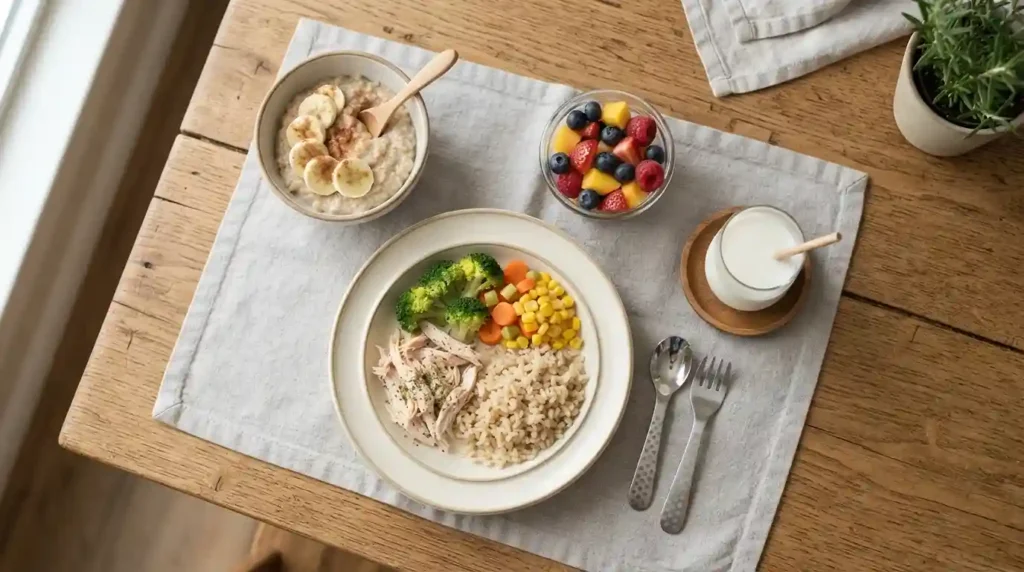
Week at a Glance
This is a general example, not a strict prescription. Appetite, preferences, and nutritional needs vary from child to child — adjust portions, textures, and timing based on what actually works for yours.
|
Day |
Breakfast |
Snack 1 |
Lunch |
Snack 2 |
Dinner |
|---|---|---|---|---|---|
|
Monday |
oatmeal with banana and cinnamon |
Cheese cubes+ grapes (quartered) |
Chicken and rice bowl |
Apple slices + Peanut butter |
Spaghetti with meat sauce |
|
Tuesday |
Scrambled eggs + toast |
Yogurt with granola |
Turkey and cheese roll-up |
Hummus + veggie sticks |
Baked chicken tenders + roasted veggies |
|
Wednesday |
Whole grain waffles + berries |
Trail mix (soft, age-appropriate) |
Bean and cheese quesadilla |
Banana muffin |
Mild beef and vegetable stew |
|
Thursday |
Greek yogurt parfait |
Cottage cheese + peach |
Tuna salad sandwich |
Rice cakes + cream cheese |
Baked salmon + quinoa + peas |
|
Friday |
French toast strips |
Orange segments + cheese |
Vegetable fried rice with egg |
Popsicle (homemade, no added sugar) |
Homemade pizza night |
|
Saturday |
Pancakes with fruit |
Smoothie (banana, spinach, yogurt) |
Grilled cheese + tomato soup |
Trail mix or dried fruit |
Family taco night (mild) |
|
Sunday |
Breakfast burrito (egg, cheese, beans) |
Fruit salad |
Leftover pizza or pasta |
Veggies + ranch dip |
Roast chicken + mashed potatoes + green beans |
Day 1 — Monday
Breakfast:
Oatmeal with Banana and Cinnamon
Cook rolled oats in milk or an appropriate fortified alternative, mash in half a banana, add a pinch of cinnamon. A steady, reliable start to the week that most preschoolers accept without much fuss. If you want more variety, our Banana Oat Pancakes work just as well as a swap-in.
Morning Snack:
Cheese Cubes and Grapes (Quartered)
Mild cheddar cubes with grapes cut lengthwise into quarters — even at three, whole grapes remain a choking hazard worth taking seriously.
Lunch:
Chicken and Rice Bowl
Shredded chicken over rice with soft cooked vegetables and a drizzle of olive oil. It’s a simple combination that works well for many families because the ingredients are familiar and easy to serve.
Afternoon Snack:
Apple Slices with Peanut Butter
Thin apple slices with a thin spread of peanut butter — spread thinly rather than in a thick spoonful, which matters for safe swallowing at this age too.
Dinner:
Spaghetti with Meat Sauce
A simple tomato and ground meat sauce over spaghetti, cut into shorter pieces if needed. It’s a simple family dinner that can work well for many children, especially when the sauce and texture are kept mild.
Day 2 — Tuesday
Breakfast:
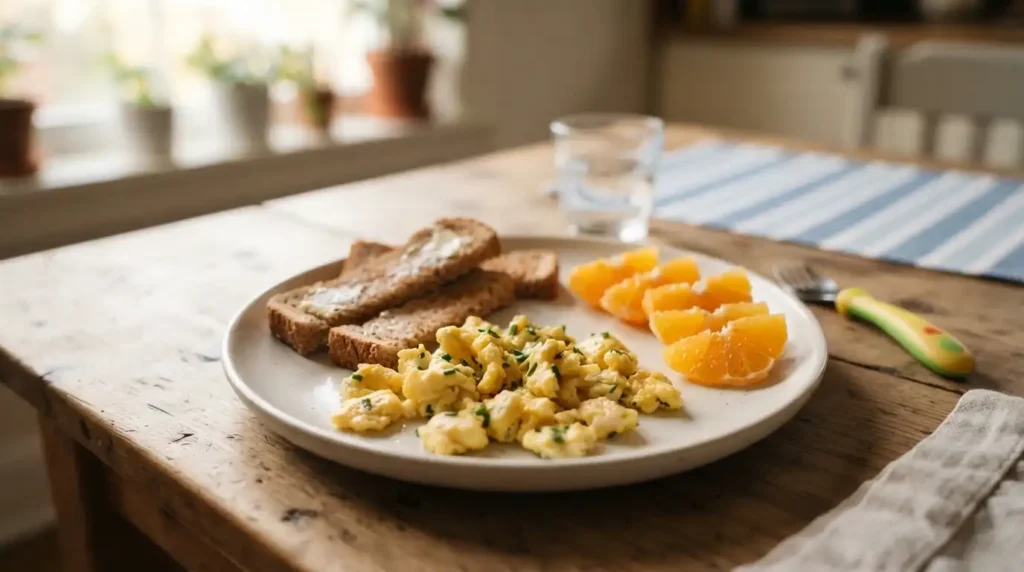
Scrambled Eggs with Toast
Soft scrambled eggs with whole wheat toast strips or triangles. High protein, quick to make, and a good option on preschool mornings when time is tight.
Morning Snack:
Yogurt with Granola
Plain yogurt with a small amount of soft, age-appropriate granola stirred in. Protein and calcium with a bit of crunch.
Lunch:
Turkey and Cheese Roll-Up
A slice of turkey and cheese rolled together, cut into pinwheels. Easy to pack for preschool lunches and manageable for small hands without utensils.
Afternoon Snack:
Hummus with Veggie Sticks
Soft steamed carrot and cucumber sticks with hummus for dipping. Plant protein and fiber in an easy handheld format.
Dinner:
Baked Chicken Tenders with Roasted Vegetables
Homemade chicken tenders (breaded lightly, baked rather than fried) with roasted soft carrots and sweet potato. A reliable easy toddler dinner that also works for the rest of the family.
Day 3 — Wednesday
Breakfast:
Whole Grain Waffles with Berries
Store-bought or homemade whole grain waffles topped with soft mixed berries. A weekday breakfast that feels a little special without much extra effort.
Morning Snack:
Soft Cereal & Fruit Mix
A simple mix of age-appropriate cereal pieces and soft fruit cut into small pieces. Skip whole nuts, seeds, popcorn, and large pieces of dried fruit, and serve your child seated and supervised.
Lunch:
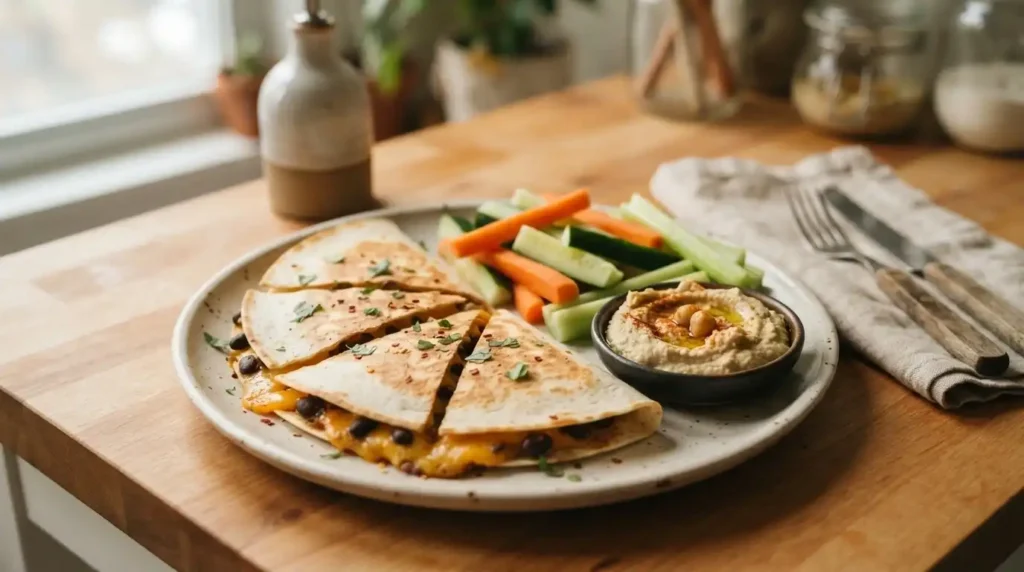
Bean and Cheese Quesadilla
Refried beans and shredded cheese melted in a whole wheat tortilla, cut into wedges. Plant protein, calcium, and a flavor most preschoolers genuinely enjoy.
Afternoon Snack:
Banana Muffin
A homemade banana oat muffin from the freezer — see our Banana Oat Muffins recipe for a no-added-sugar version.
Dinner:
Mild Beef and Vegetable Stew
Slow-cooked beef with soft carrots, potato, and peas in a mild broth. Comforting, tender enough for preschool chewing skills, and a good make-ahead option that reheats well.
Day 4 — Thursday
Breakfast:
Greek Yogurt Parfait
Plain Greek yogurt layered with soft fruit and a small amount of softened or finely crumbled granola. High protein and calcium, and the layering itself is often more appealing to a preschooler than plain yogurt in a bowl.
Morning Snack:
Cottage Cheese with Peach
Cottage cheese with ripe peach cut into small pieces. Quick, high protein, no cooking required.
Lunch:
Tuna Salad Sandwich
Tuna mixed with a small amount of mayonnaise on soft whole-wheat bread, cut into small triangles. If using canned tuna, choose a lower-mercury option such as canned light tuna and vary the types of fish served. Omega-3s and protein in a familiar sandwich format.
Afternoon Snack:
Rice Cakes with Cream Cheese
A rice cake spread with a thin layer of cream cheese. Simple and low effort.
Dinner:
Baked Salmon with Quinoa and Peas
Baked salmon flaked into small pieces, served with quinoa and soft peas. Salmon is a lower-mercury fish and one of the better healthy dinner ideas for toddlers for getting protein and omega-3s into the weekly rotation.
Day 5 — Friday
Breakfast:
French Toast Strips
Whole wheat bread dipped in egg and milk, cooked and cut into strips. Easy to dip in a small amount of maple syrup or plain yogurt.
Morning Snack:
Orange Segments with Cheese
Peeled orange segments (membrane removed for easier eating) with mild cheese cubes.
Lunch:
Vegetable Fried Rice with Egg
Day-old rice stir-fried with soft diced vegetables and scrambled egg mixed through. A good way to use up leftover rice and vegetables from earlier in the week.
Afternoon Snack:
Homemade Popsicle
Blended fruit and yogurt frozen into popsicle molds — a naturally sweet treat with no added sugar, good for a Friday afternoon.
Dinner:
Homemade Pizza Night
Whole wheat pizza dough or a pre-made base, topped with mild sauce, cheese, and soft toppings your preschooler chooses themselves. Letting your three year old pick their own toppings from a few options is a small but genuinely effective way to build mealtime cooperation.
Day 6 — Saturday
Breakfast:
Pancakes with Fruit
Whole wheat or oat pancakes topped with soft fruit. A relaxed weekend breakfast the whole family can share.
Morning Snack:
Green Smoothie
Banana, a handful of spinach, and plain yogurt blended smooth. A simple way to include spinach alongside familiar flavors, with banana and yogurt keeping the smoothie mild and creamy.
Lunch:
Grilled Cheese with Tomato Soup
A familiar combination that can make an easy lunch or weekend meal. Cut the sandwich into strips for dipping.
Afternoon Snack:
Trail Mix or Dried Fruit
A small handful of soft dried fruit or the same toddler-safe trail mix from earlier in the week.
Dinner:
Family Taco Night (Mild)
Soft tortillas, mild seasoned ground meat or beans, shredded cheese, and soft toppings like avocado and diced tomato, assembled by each person at the table. A fun, interactive family dinner idea that gives your three year old some control over what goes into their own taco.
Day 7 — Sunday
Breakfast:
Breakfast Burrito
Scrambled egg, a small amount of black beans, and shredded cheese wrapped in a soft tortilla, cut into manageable pieces. A filling start to a slower Sunday.
Morning Snack:
Fruit Salad
A mix of whatever soft ripe fruit is on hand, cut into bite-sized pieces.
Lunch:
Leftover Pizza or Pasta
An easy, low-effort lunch using whatever is left from the week. Sundays are a good day to lean on leftovers rather than cooking something new.
Afternoon Snack:
Veggies with Ranch Dip
Soft-cooked or appropriately prepared vegetables with a small amount of ranch or yogurt-based dip. Choose shapes and textures that are appropriate for your child’s chewing and swallowing skills and supervise while eating.
Dinner:
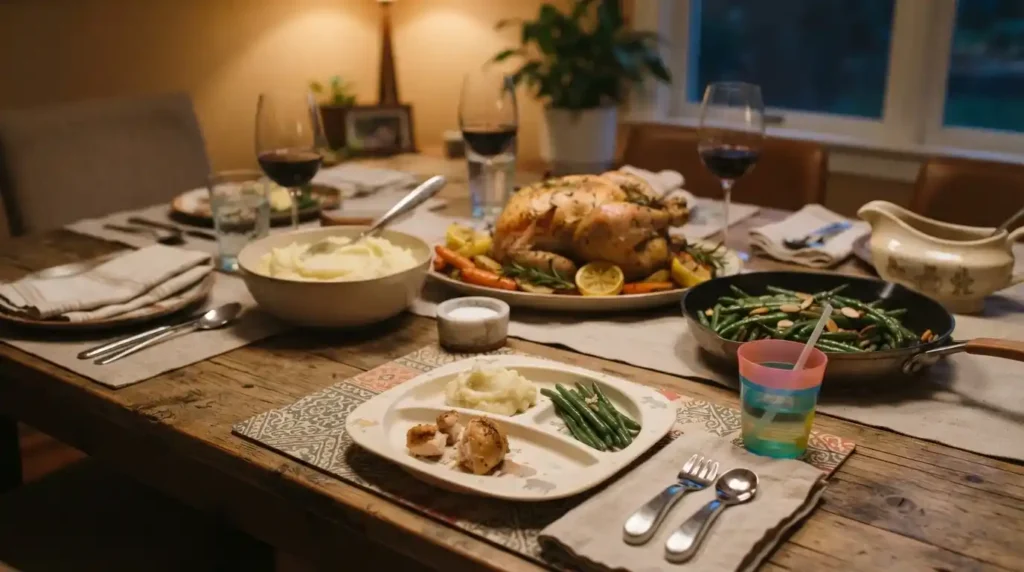
Roast Chicken with Mashed Potatoes and Green Beans
A classic Sunday dinner — roast chicken, creamy mashed potato, and soft green beans. Leftover chicken sets up easy lunches for the week ahead.
Breakfast Ideas for 3 Year Olds
Breakfast at three benefits from the same principle that worked at two: soft, familiar, and reliable, with room for gradual variety. The best breakfast ideas for a 3 year old rotate through oatmeal, scrambled eggs, whole grain waffles or pancakes, Greek yogurt parfaits, French toast strips, and breakfast burritos — enough variety across two weeks that mornings rarely feel repetitive.
Involving your preschooler in small breakfast decisions — “cereal or eggs today?” — tends to work even better at three than it did at two, since three year olds can actually weigh in verbally rather than just accepting or refusing.
Lunch Ideas for 3 Year Olds
Lunch ideas for a 3 year old work best with a mix of familiar staples and small variety, especially if your child is now eating lunch at preschool where you have less control over what actually gets eaten. Sandwiches, wraps, and roll-ups travel well for a lunchbox; rice bowls and quesadillas work better at home.
A reliable rotation covers: chicken and rice bowls, turkey roll-ups, bean and cheese quesadillas, tuna sandwiches, vegetable fried rice, and grilled cheese with soup. These six options alone cover a full week without repetition.
Dinner Ideas for 3 Year Olds
Dinner ideas for 3 year olds benefit from the same family-meal approach that worked at two — one meal for everyone, with the toddler’s portion set aside before adding extra salt, spice, or heat. By three, most preschoolers can handle a slightly wider range of family dinner flavors than at two, as long as things stay reasonably mild.
The most reliable easy dinner ideas for toddlers in this plan — spaghetti with meat sauce, baked chicken tenders, mild stew, baked salmon, homemade pizza, tacos, and roast chicken — all work as genuine family meals rather than a separate toddler dish.
Snacks for 3 Year Olds
Snacks for 3 year olds follow the same two-snacks-a-day pattern as at two, ideally spaced about two hours from the nearest meal so appetite for the next meal is not spoiled. What changes at three is the range of textures and formats that become manageable — smoothies, trail mix, popsicles, and dips all become realistic options.
Best snack ideas for a 3 year old: cheese and fruit, yogurt with granola, hummus with veggie sticks, banana muffins, homemade popsicles, trail mix, and rice cakes with a spread. Rotating through these keeps snack time varied without much daily planning.
Meals for Picky 3 Year Olds
Picky eating at three often looks different from picky eating at two — less blanket refusal, more specific and sometimes very particular preferences. Food jags, where a child wants the exact same meal repeatedly for days or weeks, are common and generally temporary.
A few things worth keeping in mind:
Food jags are normal and usually pass on their own. Continuing to offer variety alongside the current favorite, without pressure, tends to work better than forcing a change.
Repeated, low-pressure exposure still matters. A food that gets refused today may be accepted after several more neutral exposures over the coming weeks. Serving a small portion of a new food alongside a reliably accepted one keeps the stakes low.
Involvement helps. Three year olds who help choose a recipe, wash vegetables, or set the table are often more willing to try what ends up on the plate. It does not need to be elaborate — even picking between two dinner options gives a preschooler a sense of control that reduces mealtime resistance.
The division of responsibility still applies. You decide what, when, and where food is offered. Your child decides whether to eat and how much. Bribing, pressuring, or the “one more bite” negotiation usually backfires more than it helps over time.
Reliable meals for picky 3 year olds: grilled cheese, spaghetti with butter or mild sauce, chicken and rice, quesadillas, pancakes, and plain pasta with parmesan. If your child reliably eats a handful of these, you have a workable baseline to build variety around.
Weekly Grocery List for 3 Year Old Meal Plan
This covers most of what’s needed for the 7-day plan above.
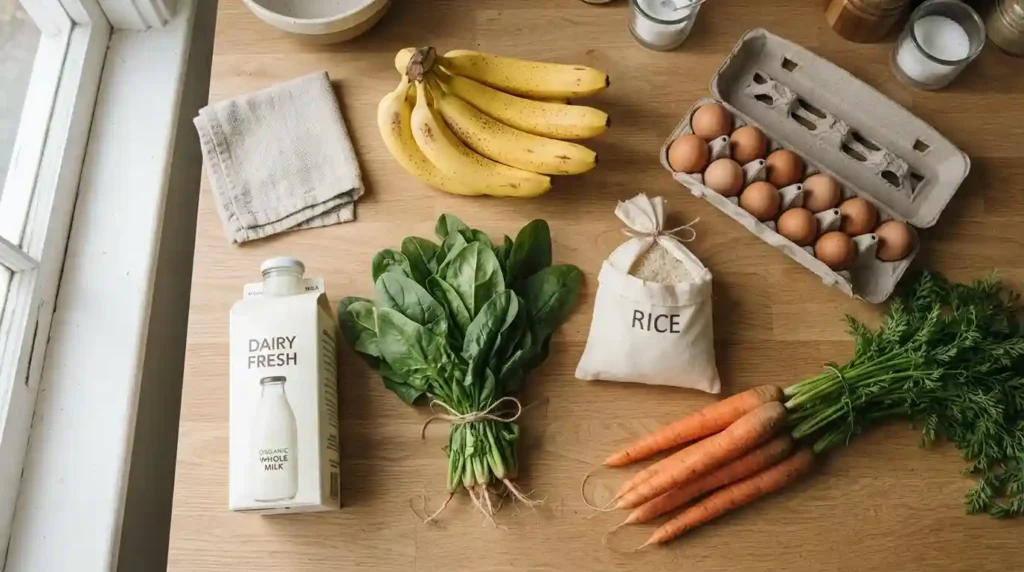
- Dairy and Eggs: Milk or unsweetened fortified dairy/soy alternative, plain Greek yogurt, cottage cheese, shredded cheddar, mozzarella, cream cheese, eggs
- Protein: Chicken breast or tenders, ground beef or turkey, salmon fillet, Lower-mercury canned light tuna, black beans, refried beans
- Grains: Rolled oats, spaghetti, rice, whole wheat tortillas, whole wheat bread, quinoa, whole grain waffles, granola
- Vegetables: Carrots, cucumber, sweet potato, green beans, spinach, tomatoes, peas, potatoes
- Fruits: Bananas, apples, grapes, oranges, berries, peaches
- Pantry: Olive oil, cinnamon, marinara sauce, peanut butter, hummus, ranch dressing, Low-sodium/unsalted ingredients where possible
Meal Prep Tips
Meal prep for a 3 year old works the same way it did at two — Cool cooked foods promptly and store them in the refrigerator or freezer using safe food-storage practices. Reheat leftovers thoroughly before serving.
Cook a big batch of rice or quinoa on Sunday. It reheats well across the week and forms the base for rice bowls, fried rice, and burritos.
Pre-portion snacks into small containers. Cheese cubes, trail mix, and cut fruit stored in individual containers make grab-and-go snacks genuinely effortless on busy mornings.
Freeze extra muffins and pancakes. A double batch on the weekend covers multiple breakfasts and snacks through the week.
Cook once, use twice. Roast chicken on Sunday can become sandwiches, rice bowls, or tacos later in the week. Preparing a little extra can make busy toddler meals much easier.
Pre-cut produce right after grocery shopping. Washing and cutting vegetables and fruit as soon as you get home means they’re actually ready to grab when snack time hits, rather than sitting whole in the fridge until they’re forgotten.
Frequently Asked Questions
One Last Thing
Three is a genuinely fun age at the table, even on the days it doesn’t feel that way. There’s more conversation, more real preference, and — eventually — more willingness to try something new, even if it takes a dozen quiet reintroductions to get there.
Keep a handful of reliable meals in rotation. Keep the pressure low. Let your three year old have some say in what gets served, even if it’s just choosing between two options. And know that the food jags, the sudden refusals, and the “I don’t like that anymore” moments about a meal they ate happily last week are all part of a completely normal stage that, like the others before it, eventually passes.
This article is for general informational purposes only and does not replace advice from your child’s pediatrician or a registered dietitian. If you have any concerns about your child’s nutrition, growth, or feeding, please speak to a qualified healthcare professional.