
50+ Healthy Toddler Snack Ideas (Easy, Nutritious & Parent-Approved)
🟢 Quick Facts
•By Tiny Tummies Food
•Updated July 2026
• 10 min read
|
Age |
12–24 months |
|---|---|
|
Meal |
Snacks |
|
Best Time |
Between main meals |
|
Ideal Portion |
Small toddler-sized servings |
|
Difficulty |
Easy |
|
Avoid |
Sugary snacks, candy, soda, excessive salt, whole nuts (for young toddlers) |
Quick Tip: Think of snacks as “mini meals” rather than treats. A balanced snack with protein, fiber, and healthy fats helps keep toddlers satisfied until the next meal.
Let me say something upfront that took me a while to figure out with my own kids.
Snacks are not a reward. They are not a treat. They are not something you hand over to stop a meltdown in a supermarket — although, honestly, sometimes they are that too and there is no judgment here. Snacks at age one are a genuine nutritional necessity. A one year old’s stomach is tiny, their energy expenditure is enormous, and three meals a day is simply not enough food spread across enough hours to keep them stable, happy, and functional.
Getting snacks for 1 year old right makes the whole day easier. A well-timed, nutritious snack keeps blood sugar stable, prevents the overtired-and-refusing-everything spiral that turns dinner into a battle, and is actually an important opportunity to cover nutritional gaps from meals.
This guide covers 50+ healthy snacks for 1 year old that are genuinely nutritious, realistic to prepare on busy days, and varied enough to keep things interesting across the week.
Why Snacks Matter at Age One?
A one year old needs a lot of energy relative to their body size. They are learning to walk, climb, explore, and process an enormous amount of new information every single day. All of that activity burns through fuel fast — faster than three meals spaced several hours apart can reliably replenish.
This is why 1 year old snacks are not optional extras. They are a structural part of the daily feeding routine that keeps energy stable, mood regulated, and appetite calibrated for the next meal. A toddler who arrives at lunch genuinely hungry — not ravenous from skipping a morning snack — eats better, tries more foods, and creates less of a mealtime battle than one who has either been snacking continuously or waiting too long without anything.
The research on toddler nutrition consistently shows that well-timed snacks improve overall dietary quality across the day. Which is a long way of saying: snacks done right make everything slightly easier, including the meals.
How Many Snacks Does a 1 Year Old Need?
Two snacks per day — one mid-morning and one mid-afternoon. That is the general guidance from pediatric nutrition experts and it is the structure that works best for most one year olds.
The timing matters as much as the snacks themselves. A good rule of thumb is to offer snacks roughly 1.5 to 2 hours after the previous meal. Close enough that your toddler is not yet running on empty, but far enough that the snack does not kill appetite for the next meal.
Continuous snacking — grazing throughout the day on small amounts of food — sounds reasonable but actually backfires. Toddlers who graze never develop a proper hunger rhythm, arrive at mealtimes without real appetite, and often end up eating less overall rather than more. A structured snack at a predictable time works significantly better.
What Makes a Good Toddler Snack?
The best snack ideas for 1 year old do at least two of these three things:
Provide protein or healthy fat — Something that actually keeps them full until the next meal rather than spiking and crashing. Cheese, yogurt, nut butter, eggs, hummus, and avocado are all excellent snack protein and fat sources.
Include a fruit or vegetable — Snack time is a genuinely good opportunity to add more produce to the day, especially for toddlers who are reluctant vegetable eaters at mealtimes. A lower-pressure context sometimes helps.
Be soft and safe — Everything served to a one year old needs to be soft enough to squish between your fingers, cut into appropriately small pieces, and free from choking hazards.
What a good toddler snack does not need to be is elaborate, creative, or Instagram-worthy. A small bowl of plain yogurt with some banana pieces is a genuinely excellent snack. A handful of soft cheese cubes alongside some ripe pear is perfect. Simplicity is an advantage, not a limitation.
Snacks to Avoid at This Age
A quick but important note before the recipes:
Whole nuts — Choking hazard. Nut butters spread thinly on toast or crackers are completely fine for most toddlers without nut allergies.
Whole grapes and cherry tomatoes — Always cut into quarters lengthwise. The round shape is one of the most common toddler choking hazards.
Added sugar — Most commercial toddler snacks, flavored yogurts, fruit pouches with added sugar, and sweet biscuits contain more sugar than a one year old needs in a day. Check labels and choose plain, unsweetened versions.
Rice cakes and crackers as a staple — Fine occasionally but low in nutrition. If rice cakes are the main snack offered regularly, pair them with something protein or fat-containing.
Sugary drinks — Water is all a one year old needs to drink between meals. Juice, even 100% fruit juice, adds significant sugar for very little nutritional advantage over whole fruit.
Large chunks of anything — Everything needs to be cut small or soft enough that it does not require significant chewing.
Quick No-Cook Snack Ideas
These are the easy snacks for 1 year old that require zero cooking and minimal preparation. When snack time arrives and you have about two minutes, these are the ones you reach for.
1. Banana and Full-Fat Yogurt
Slice ripe banana into plain full-fat Greek yogurt. Two ingredients, thirty seconds, and genuinely one of the most nutritious snacks for 1 year old available. Protein and calcium from the yogurt, natural sweetness and potassium from the banana. My son ate this so many times during his second year that he started pointing at the banana on the counter when he was hungry. No complaints from me.
2. Soft Cheese Cubes
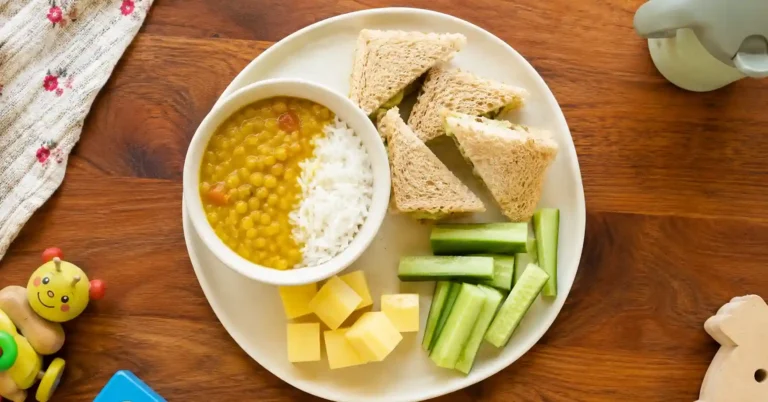
Small cubes of mild cheddar or mozzarella. Zero preparation. High in calcium and protein. Most toddlers find cheese very appealing and it keeps well in the fridge for quick access. Pair with soft fruit pieces if you want to make it more complete.
3. Ripe Avocado Slices
Ripe avocado cut into small pieces or lightly mashed. Healthy fat for brain development, fiber, and folate. Toddlers generally find the soft buttery texture easy to eat and the mild flavor easy to accept.
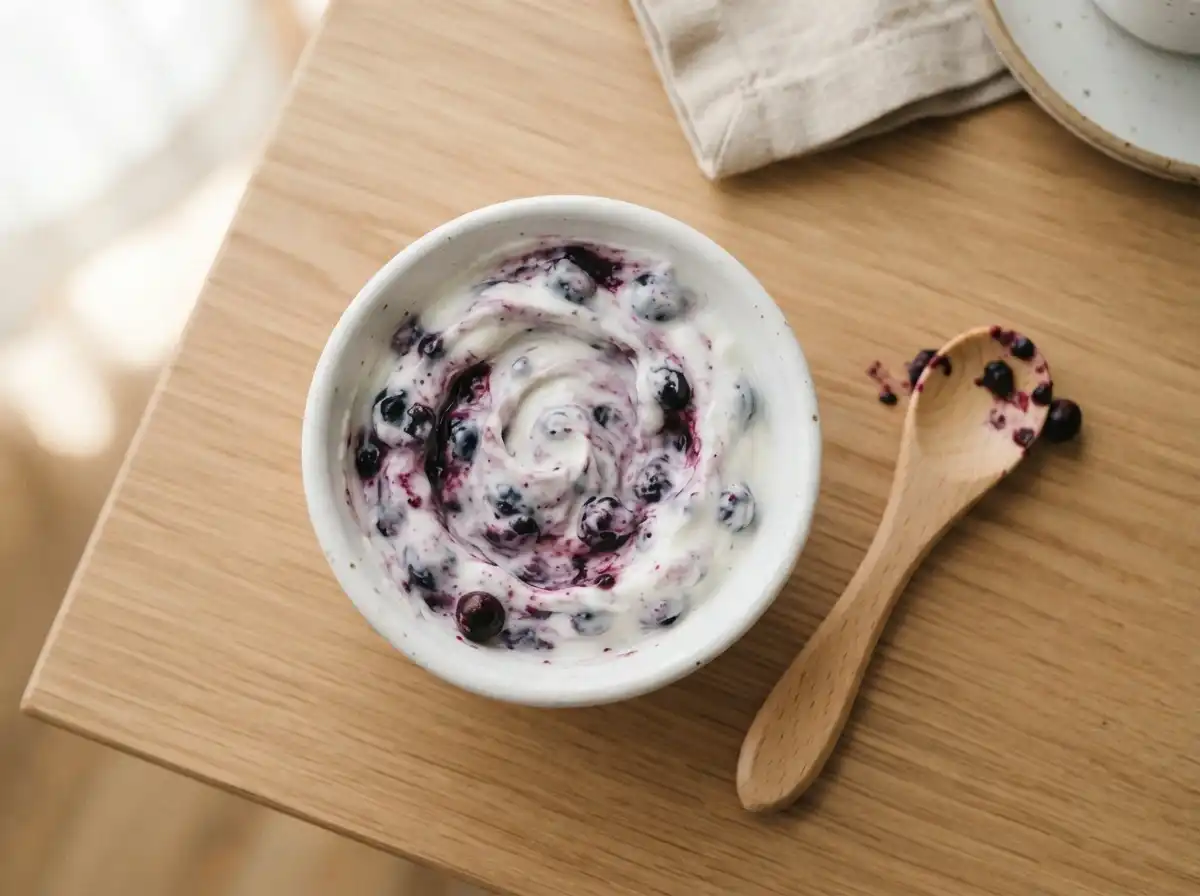
4. Full-Fat Greek Yogurt with Mashed Berries
Mash a handful of blueberries or strawberries and swirl into plain Greek yogurt. The color change makes it considerably more exciting to a one year old. Good vitamin C alongside the calcium and protein.
5. Soft Fruit Pieces
A small selection of whatever ripe soft fruit you have — banana slices, ripe pear, mango cubes, blueberries, halved grapes cut lengthwise. Quick to prepare and good for toddlers who are working on self-feeding. Pair with a small piece of cheese for protein.
6. Cream Cheese on Soft Bread
Spread plain cream cheese on soft whole wheat bread cut into small squares or strips. Calcium and protein from the cheese, complex carbs from the bread. Takes about ninety seconds.
7. Cottage Cheese with Soft Fruit
A few tablespoons of cottage cheese alongside very ripe peach, pear, or mango. High in protein and calcium, zero cooking, and most toddlers find the soft texture easy to manage.
8. Hummus with Soft Bread Strips
Spread hummus on soft pita or bread cut into strips. Chickpeas in the hummus provide plant-based protein and iron. Most toddlers enjoy the dipping format — it keeps them engaged and makes snack time feel interactive.
9. Ripe Mango Cubes
Very ripe mango cut into small pieces. Rich in vitamin A and vitamin C, naturally sweet, and soft enough for toddlers with few or no teeth. On its own it is a light snack — pair with yogurt for more staying power.
10. Soft Boiled Egg
Half a soft boiled egg cut into small pieces. One of the best good snacks for 1 year old options available — high in protein, healthy fat, and choline for brain development. Takes about eight minutes to make and keeps in the fridge for a few days.
Fruit Snack Ideas
Fruit makes excellent toddler snack material — naturally sweet, vitamin-rich, and something most one year olds accept readily. The key is making sure fruit is always ripe and soft, cut appropriately, and ideally paired with something protein-containing to give the snack more staying power.

11. Banana Slices
The most universally accepted fruit snack for toddlers. Naturally soft, naturally sweet, rich in potassium and natural energy. Buy a bunch each week and let some get properly ripe — the riper the banana, the sweeter and softer it is.
12. Ripe Pear Pieces
Very ripe pear cut into small pieces or steamed if not quite soft enough. Gentle on little stomachs, naturally sweet, and easy to eat. Pear is one of the fruits least likely to cause any digestive upset which makes it a good choice when appetite is reduced.
13. Blueberries
Whole blueberries are safe for most toddlers over 12 months who have good chewing skills. If you are uncertain, halve them. Rich in antioxidants and naturally sweet. Mix into yogurt or serve alongside cheese.
14. Watermelon Cubes
Seedless watermelon cut into small cubes. Hydrating, naturally sweet, and most toddlers find the bright color appealing. Good on warm days when hydration matters alongside nutrition.
15. Ripe Peach Slices
Very ripe peach with the skin removed, cut into small slices. Rich in vitamin C and beta-carotene. The juicy texture is popular with most toddlers. If peach is not quite ripe, steam briefly until soft.
16. Papaya Pieces
Very ripe papaya cut into small cubes. Rich in vitamin C and digestive enzymes that are gentle on toddler stomachs. The soft texture makes it one of the easiest fruits for young toddlers to manage.
17. Unsweetened Applesauce
Homemade or shop-bought unsweetened applesauce served in a small bowl. Gentle on digestion, naturally sweet, and something toddlers can practice eating with a spoon. Make it at home by cooking and blending apple — it takes about fifteen minutes and tastes significantly better than anything from a pouch.
18. Mango Yogurt
Blend or mash ripe mango and swirl into plain full-fat yogurt. Rich in vitamin A, vitamin C, and calcium. A genuinely nutritious 1 year old snack that takes about two minutes to prepare and most toddlers find very appealing.
Vegetable Snack Ideas
Vegetables at snack time can work really well — the lower-pressure context of a snack sometimes produces better acceptance than the same vegetable served at a meal. The key is making sure everything is cooked until completely soft.

19. Steamed Carrot Sticks
Steam carrot sticks until very soft — soft enough to squish between your fingers easily. Naturally sweet, rich in beta-carotene, and a good finger food format for toddlers who want to self-feed. Serve with hummus for dipping if you want to add protein.
20. Soft Sweet Potato Fingers
Bake or steam sweet potato cut into strips until very soft. Naturally sweet, rich in vitamin A, and easy for small hands to hold. Make a batch and refrigerate for up to three days — one of the most practical homemade toddler snacks you can keep ready.
21. Steamed Broccoli Florets
Steam broccoli florets until completely soft. A good source of iron and vitamin C. The small tree shape tends to be popular with toddlers who find food shapes interesting. Serve with a small amount of mild cheese sauce or hummus if plain broccoli is refused.
22. Soft Cucumber Pieces
Cucumber peeled and cut into very small soft pieces. Hydrating and mild in flavor. Works well paired with cream cheese or hummus.
23. Avocado Slices with Soft Toast
Mashed or sliced avocado on soft whole grain toast cut into strips. Healthy fat, fiber, and complex carbs. One of those snack ideas for toddlers that covers nutrition without requiring any cooking.
24. Steamed Peas
Warm soft-cooked peas. Toddlers love picking these up one by one — it is genuinely good for fine motor skill development and most toddlers find the sweet flavor appealing. A good plant-based protein source for a snack.
25. Soft Corn Kernels
Well-cooked soft sweetcorn kernels. Naturally sweet, and something most toddlers accept readily. Always cook thoroughly — raw or crunchy corn is a choking hazard.
Dairy Snack Ideas
Dairy is one of the most important food groups for one year olds — calcium, protein, vitamin D, and healthy fat all in one. These snacks for 1 year old using dairy are quick to prepare and nutritionally excellent.
26. Plain Full-Fat Greek Yogurt
The simplest and most nutritious dairy snack available. Serve plain or with a small amount of mashed fruit. Always choose full-fat — low-fat yogurt is not appropriate for under-twos. Check labels and avoid any yogurt with added sugar.
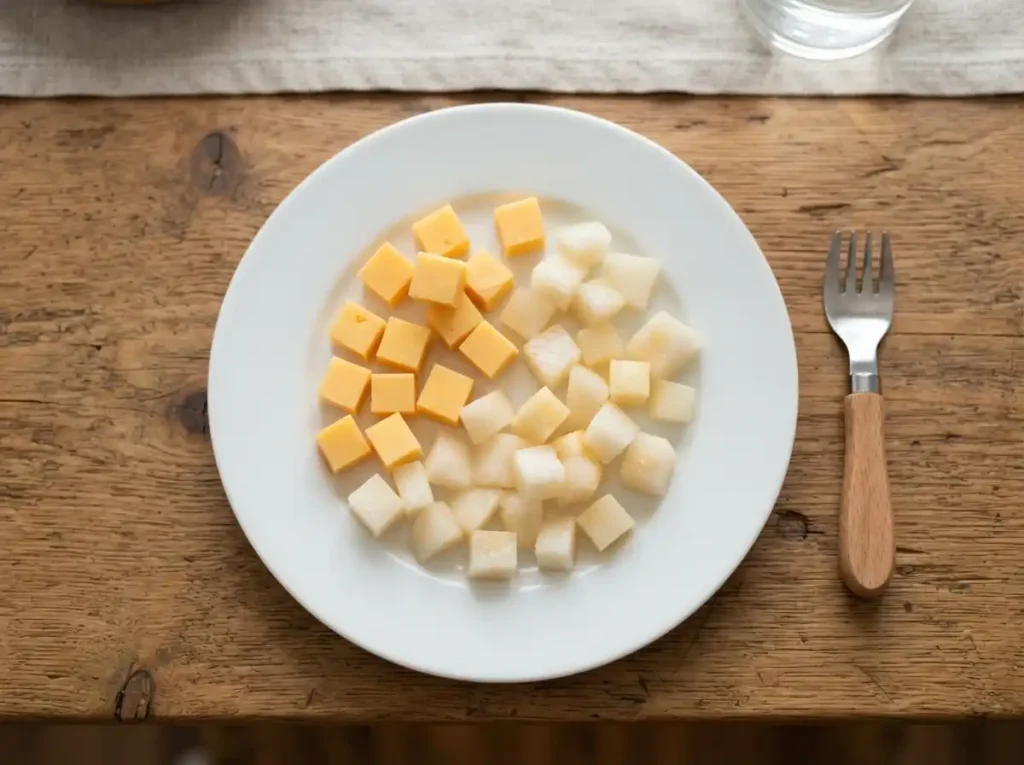
27. Mild Cheddar Cubes
Small cubes of mild cheddar. High in calcium and protein. Keeps well in the fridge and requires zero preparation. One of those good snacks for 1 year olds that is always available when you have nothing else planned.
28. Ricotta with Soft Fruit
Plain ricotta cheese alongside very ripe soft fruit. Ricotta is milder and softer than most cheeses, higher in calcium than many, and easy for toddlers to eat. Pair with mango, pear, or banana.
29. Soft Mozzarella Pieces
Small pieces of fresh mozzarella. Mild, soft, high in calcium. Particularly easy for younger toddlers to manage because of the very soft texture.
30. Cottage Cheese
Plain full-fat cottage cheese served in a small bowl, alone or with soft fruit. High in protein, calcium, and relatively low in fat compared to harder cheeses — but still appropriate for this age group. One of the most underrated healthy snacks for 1 year old options.
31. Yogurt Smoothie
Blend plain full-fat yogurt with banana and a few berries. Pour into a small cup. Good for days when your toddler is not very interested in eating solid food — liquid often goes down more readily and this still provides calcium, protein, and fruit.
32. Cheese and Soft Cracker
A piece of mild cheese alongside one or two soft oat crackers. Simple, filling, and one of those snack ideas for 1 year old that requires no preparation at all if you keep mild cheese in the fridge.
Protein Snack Ideas
Protein at snack time is what gives the snack real staying power — the difference between a toddler who is satisfied until the next meal and one who is asking for food again thirty minutes later.
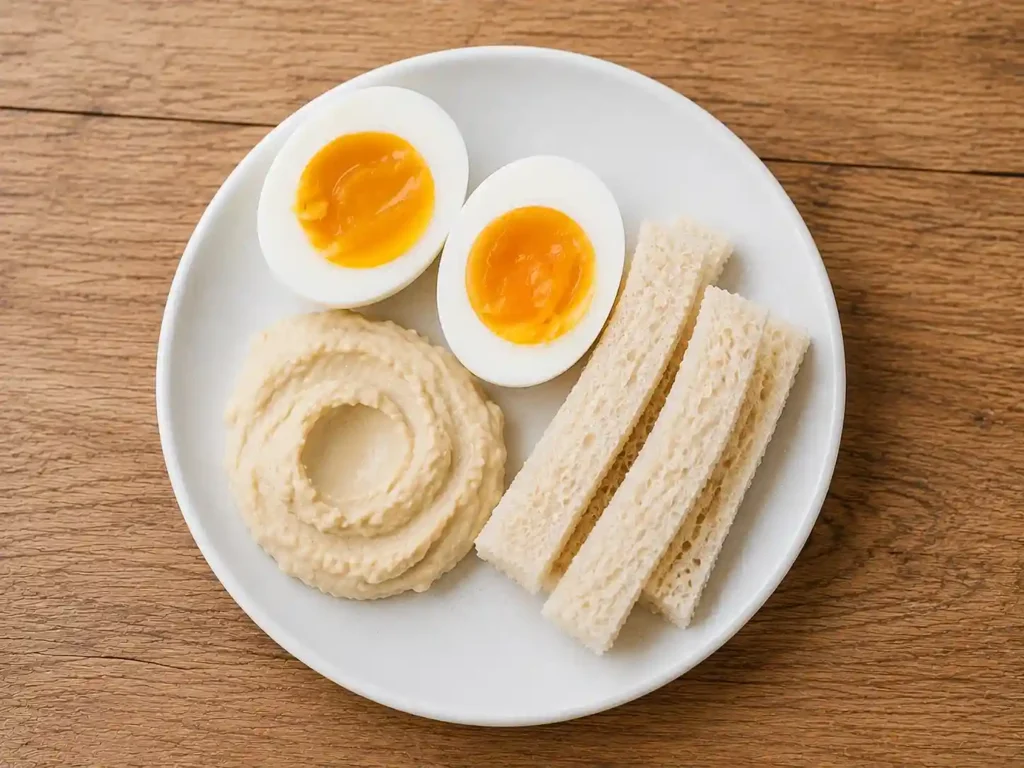
33. Soft Boiled Egg Pieces
As mentioned in the quick snacks section — genuinely one of the best protein snacks available. Half an egg cut small. Make a batch of boiled eggs at the start of the week and keep in the fridge.
34. Hummus with Soft Bread
Smooth hummus on soft pita or bread. Chickpeas provide plant-based protein and iron — genuinely important nutrients for one year olds. Most toddlers enjoy the mild savory flavor.
35. Nut Butter on Soft Toast
Smooth nut butter spread very thinly on soft whole wheat toast. Protein and healthy fat. The key is thin — a thick glob of nut butter is a choking hazard. Spread it until it barely coats the bread.
36. Mini Egg Muffins
Batch-baked egg muffins from the previous section — whisked eggs with finely chopped vegetables baked in a mini muffin tin. Refrigerate for four days. A protein-rich homemade toddler snack that takes about thirty seconds to serve once the batch is made.
37. Soft Edamame
Well-cooked, shelled edamame beans. High in plant protein and iron, soft when properly cooked, and something toddlers often find interesting to pick up. Always remove from the pod before serving.
38. Chicken Pieces
Very small pieces of very soft cooked chicken. Plain, no seasoning. A good protein snack if you have batch-cooked chicken available in the fridge or freezer.
39. Lentil Patties
Small cooked lentil patties made from red lentils mashed with a little cumin, formed into small flat rounds and baked. Rich in iron and plant protein. Make a batch on Sunday and refrigerate. One of the best healthy snacks for 1 year olds for iron intake.
Homemade Toddler Snacks
Homemade toddler snacks are worth the batch cooking investment because they freeze brilliantly, come together quickly, and are significantly more nutritious than anything packaged. Make a batch on Sunday and you have snacks covered for most of the week.
40. Banana Oat Muffins
Mash three very ripe bananas, mix with two eggs, a little melted butter, and one cup of oat flour. Bake in a mini muffin tin at 175°C for 15 minutes. No sugar needed — the banana provides all the sweetness required. Freeze individually and defrost as needed. These are probably the most made recipe in our house and the reason we always have ripe bananas on the counter. They work as snacks, as breakfast additions, and as daycare lunchbox items.
41. Blueberry Muffins
Same banana muffin base with a handful of blueberries folded in. The blueberries burst during baking and add pockets of natural sweetness and antioxidants.
42. Spinach Muffins
Blend a handful of spinach into the wet ingredients of the banana muffin base before mixing. The muffins turn green — which sounds alarming and is actually a selling point with many toddlers who find the color exciting. Iron from the spinach, hidden completely in something they already enjoy.
43. Zucchini Muffins
Finely grated zucchini squeezed of excess moisture and folded into the banana muffin base. The zucchini is completely undetectable in the finished muffin but adds moisture and fiber.
44. Banana Oat Pancakes — Snack Size
Mini versions of the classic banana oat pancakes. Mash one banana, mix with one egg and two tablespoons of oat flour, cook very small pancakes in a little butter. Cool and refrigerate. These work as snacks straight from the fridge or warmed briefly.
45. Oatmeal Cups
Mix cooked oats with mashed banana, one egg, and a small amount of blueberries. Spoon into a greased mini muffin tin and bake at 175°C for 20 minutes. These set into portable oat cups that toddlers can hold independently — one of the most practical homemade toddler snacks for on-the-go situations.
46. Sweet Potato Fritters
Mix mashed sweet potato with egg and a little oat flour. Cook small fritters in a little oil until set. Rich in vitamin A, naturally sweet, and easy for toddlers to hold independently. Refrigerate for three days.
47. Mini Egg Muffins — Savoury
Whisked eggs with finely chopped vegetables and grated cheese poured into a mini muffin tin and baked at 180°C for 12 minutes. High in protein and iron. Keep in the fridge for four days and reheat in thirty seconds. One of the most useful things you can batch cook for toddler snacks.
48. Carrot Muffins
Finely grated carrot folded into the banana muffin base. Adds beta-carotene and moisture without affecting the flavor. The orange flecks in the finished muffin are quite appealing.
On-the-Go Snack Ideas
Snacking out of the house requires snacks that are portable, not too messy, safe at room temperature for a few hours, and easy for a toddler to eat in a pram, car seat, or on a park bench.
49. Ripe Banana
The ultimate portable toddler snack. Comes in its own packaging, naturally soft, nutritious, and universally accepted. Keep one in your bag on any outing.
50. Soft Cheese Cubes in a Small Container
Pre-portioned mild cheese cubes in a small airtight container. Fine at room temperature for a couple of hours. Protein and calcium without any preparation at the point of serving.
51. Homemade Muffins
A banana or blueberry muffin from the freezer, defrosted in the morning and packed in a small container. Soft, easy to eat, nutritious, and something toddlers can hold and eat independently.
52. Soft Fruit Pieces in a Container
Pre-cut ripe fruit — banana slices, mango pieces, ripe pear — in a small container. Fine for a few hours at room temperature. Add a small container of yogurt if you have a cool bag.
53. Oat Crackers with Nut Butter
A couple of soft oat crackers with nut butter pre-spread before leaving the house. Easy to eat, filling, and manageable without a spoon or fork.
Daycare Snack Ideas
Daycare snack ideas have the same constraints as lunchbox food — safe at room temperature, soft enough to eat independently, no heating required. Most daycares also have strict allergen policies, so always check before sending anything containing nuts.

54. Yogurt Pot
A small pot of plain full-fat yogurt with soft fruit on the side. Most daycares have fridges — check if yours does. If not, use an insulated lunch bag with an ice pack.
55. Mini Sandwiches
Small squares of soft whole wheat bread with cream cheese, hummus, or egg salad. Easy to eat independently, no heating required.
56. Banana and Soft Cracker
A ripe banana alongside a couple of soft oat crackers. No preparation required at daycare. One of the most practical snacks for 1 year old baby in a daycare setting.
57. Mini Muffins
One or two banana or veggie muffins from a batch. Travel well, fine at room temperature, and easy for toddlers to eat independently.
58. Cheese and Soft Fruit Box
Small cheese cubes and ripe soft fruit pieces in a compartment container. Zero preparation at daycare. Protein from the cheese, vitamins from the fruit.
Snack Ideas for Picky Eaters
Healthy snacks for picky eaters deserve a specific mention because snack time can actually be easier than mealtime for introducing new foods. The lower stakes and smaller portions reduce the pressure that makes mealtimes difficult.
The most reliable strategies for picky toddler snackers are the same as for meals — keep one accepted food available, offer new things alongside familiar ones without pressure, and eat together when you can.
59. The Reliable Fallback
On days when your toddler is refusing everything, a banana and a couple of cheese cubes is a legitimate snack that covers protein, healthy fat, carbs, calcium, and fruit. It is not exciting. It is nutritionally decent. Some days that is exactly what you need and there is nothing to feel bad about.
60. Deconstructed Yogurt
If your toddler refuses yogurt with fruit mixed in, try serving the yogurt plain in one small bowl with the fruit completely separate in another. Same ingredients, sometimes completely different result. The mixing is what bothers some toddlers — not the individual components.
61. Dipping Snacks
Many toddlers who refuse food outright will accept the same food when it comes with something to dip it into. Soft carrot sticks with hummus, bread strips with cream cheese, banana pieces alongside yogurt. The dipping format gives them some agency and makes the food feel different.
Snack Ideas by Age
Snacks for 12 Month Old
At 12 months everything needs to be very soft and cut very small. Good options: mashed banana with yogurt, soft cheese cubes, steamed carrot sticks, avocado pieces, soft boiled egg halved, plain yogurt, sweet potato fingers.
Snacks for 18 Month Old
By 18 months most toddlers can handle slightly more texture and a wider variety. Good snacks for 18 month old: banana oat muffins, hummus with soft bread, blueberries, cottage cheese with fruit, mini egg muffins, oat crackers with nut butter.
Snacks for 2 Year Old
Two year olds are usually eating most of what the family snacks on with minor adaptations. Choking hazards still apply. Good snacks for 2 year olds: all of the above plus slightly more textured fruit and vegetable options, soft granola with yogurt, small sandwiches.
Snack Timing and Portion Guide
Getting the timing right matters as much as the snack itself.

Morning snack: About 1.5 to 2 hours after breakfast. If breakfast is at 7am, morning snack around 9 to 9:30am.
Afternoon snack: About 1.5 to 2 hours after lunch. If lunch is at 12pm, afternoon snack around 2 to 2:30pm.
Portion size: Small — a toddler’s stomach is roughly the size of their closed fist. A typical snack is about two to three tablespoons of each component. The goal is to tide them over to the next meal, not replace it.
What to avoid: Offering a snack too close to a meal kills appetite for that meal. Offering a snack too late in the afternoon kills appetite for dinner. The 1.5 to 2 hour window after a meal works consistently better than guessing.
Frequently Asked Questions
One Last Thing
Toddler snacks do not have to be creative, elaborate, or nutritionally perfect every single day. They need to be soft, safe, reasonably nutritious, and on offer at roughly the right time.
Some days that is a beautiful yogurt parfait with three kinds of berries and your toddler eats every single bite and you feel like you have parenting completely figured out. Some days it is a banana and a piece of cheese handed over in the car because you are running late and that is all there is.
Both count. Both are fine.
Keep ripe bananas on the counter, keep mild cheese and plain yogurt in the fridge, keep a batch of banana muffins in the freezer, and you will almost always have something genuinely good to offer — even on the days when everything else is going wrong.
This article is for general informational purposes only and does not replace advice from your child’s pediatrician or a registered dietitian. If you have any concerns about your toddler’s nutrition, growth, or feeding, please speak to a qualified healthcare professional.
Sources: American Academy of Pediatrics | World Health Organization | Centers for Disease Control and Prevention | Ellyn Satter Institute