
Foods for Sick Toddler: Essential Foods to Feed During Fever, Cold & Upset Stomach
🟢 Quick Facts
•By Tiny Tummies Food
•Updated August 2026
• 10 min read
|
Age |
8 months–3 years |
|---|---|
|
Goal |
Gentle nutrition, hydration, comfort |
|
Difficulty |
Easy |
|
Best For |
Cold, fever, cough, upset stomach, diarrhea, constipation |
There is nothing quite like the specific anxiety of a sick toddler who refuses to eat.
My daughter had a bad cold at around 18 months and went four days eating almost nothing. Not nothing dramatic — not a hunger strike with tears and floor throwing — just quiet refusal. A bite here, a sip there, and then the head turning away that means we are done now. I spent those four days offering things I was fairly sure she would refuse, making mental calculations about whether she had eaten enough to stay hydrated, and googling “how long can toddlers go without eating” at 2am more than once.
The honest answer, which I wish someone had told me at the start, is that toddlers can go longer without solid food than we expect. When a toddler is sick, staying hydrated is often the first priority, while eating less for a short time can be normal. But knowing what to offer, when to offer it, and why certain foods help and others hinder recovery genuinely makes the whole experience less stressful. This guide covers all the foods for sick toddler. If you’re looking for more everyday meal inspiration, explore our guide to Toddler Recipes: 30+ Easy, Healthy Meals Your Child Will Actually Eat for breakfast, lunch, dinner, and snack ideas.
Why Sick Toddlers Refuse Food — And Why That Is Okay?
The first thing worth knowing is that appetite loss during illness is a completely normal physiological response — not a behavioral problem, not something that needs to be fixed with clever tricks, and not a sign that your toddler is getting worse.
When the body is fighting an infection, it redirects energy toward the immune response. Digestion is metabolically expensive and becomes lower priority. The result is reduced appetite, sometimes significantly reduced appetite, for the duration of the illness. A temporary drop in appetite can happen during illness, so it is usually better to offer food gently rather than pressure your toddler to eat.
What matters during illness is not matching normal food intake — that will return once recovery begins — but maintaining hydration and offering whatever small amounts of food your toddler is willing to accept without turning mealtimes into a battle. A sick toddler who refuses dinner but accepts half a banana and some warm broth has done fine for that meal.
The foods for sick toddler are ones that are easy to digest, gentle on a potentially unsettled stomach, comforting in texture and temperature, and unlikely to make symptoms worse. None of them need to be elaborate.
Hydration Comes First
When your toddler is sick, keeping them hydrated is often more important than getting them to eat a full meal. Offer small amounts of fluids regularly, especially if fever, vomiting, or diarrhea is causing extra fluid loss. For more guidance, see the American Academy of Pediatrics’ advice on fever and extra fluids.
Signs your toddler is adequately hydrated: Wet nappies or trips to the toilet at roughly normal frequency, some tears when crying, moist lips and mouth, normal skin color and energy when fever is reduced with medication.
Signs of dehydration to watch for: No wet nappy for 6 or more hours, dry or cracked lips, sunken eyes, no tears when crying, unusual lethargy or limpness even when fever is managed. These warrant a call to your pediatrician.
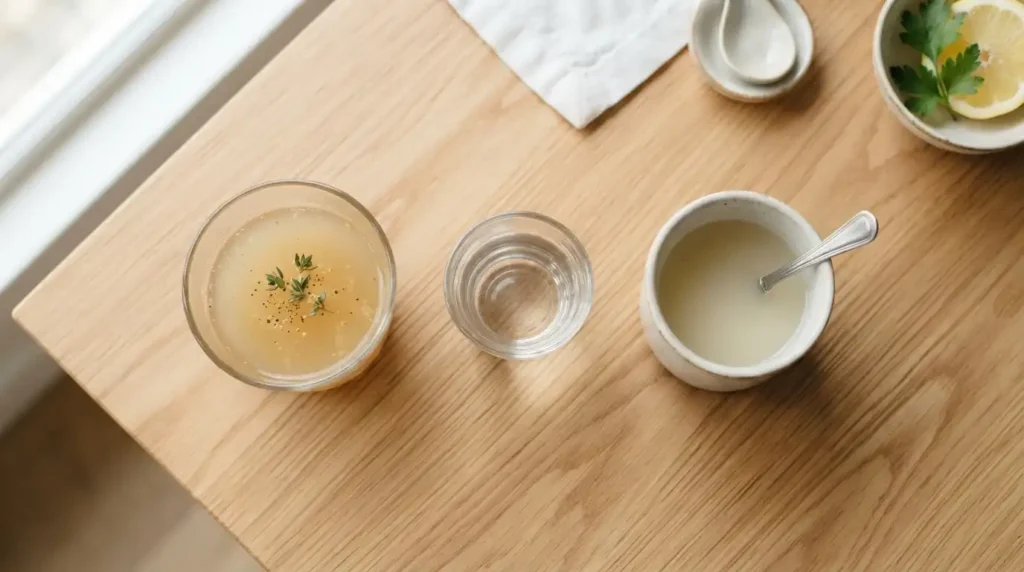
What to offer for hydration:
Water — Small, frequent sips rather than large amounts at once. A sick toddler with an upset stomach is more likely to keep small sips down than a full cup.
Breast milk or formula — For babies and younger children who still breastfeed or drink formula, continue offering their usual breast milk or formula during illness. Toddlers over 12 months can also be offered water and other age-appropriate fluids.
Oral rehydration solution — If your toddler has had significant vomiting or diarrhea, plain water may not be enough to replace electrolytes. Pediatrician-recommended oral rehydration solutions replace sodium and potassium alongside fluid. Ask your pediatrician which brand they recommend for your child’s age and weight.
Diluted fruit juice — Not ideal as a regular drink but acceptable during illness if your toddler is refusing everything else and needs fluid. If your toddler is refusing most fluids, ask your pediatrician whether an appropriate oral rehydration solution is needed, particularly when vomiting or diarrhea is causing fluid loss.
Warm broth — A mild broth can provide fluid and may be comforting when your toddler does not feel like eating. Most sick toddlers accept it readily even when they refuse solid food.
Foods for a Toddler With Fever
A fever is the body’s mechanism for fighting infection — it is a sign the immune system is working, not a sign thing is going wrong. Appetite during a fever is almost always reduced, and that is expected. The goal is gentle hydration, small amounts of easy-to-digest food if accepted, and comfort.
1. Warm Khichdi Rice and moong dal cooked until very soft with a small drizzle of ghee — the original comfort food for sick babies and toddlers in South Asian households. Soft rice can be an easy-to-manage option when your toddler has little appetite or prefers mild foods. Easy to digest, mild in flavor, naturally hydrating from the extra water used in cooking.
Cook it slightly thinner than usual during illness so it is more like a thick soup than a solid meal — easier to eat when appetite is low and swallowing might be uncomfortable.
2. Plain Soft Rice with Broth White rice cooked very soft in a mild unsalted chicken or vegetable broth. The broth adds flavor without any effort of chewing, and soft white rice is one of the most digestible carbohydrates available. This is a modified version of congee — the rice porridge used across East and South Asian cultures specifically for illness recovery — and it works for the same reason it has always worked: gentle, filling, easy on the stomach.
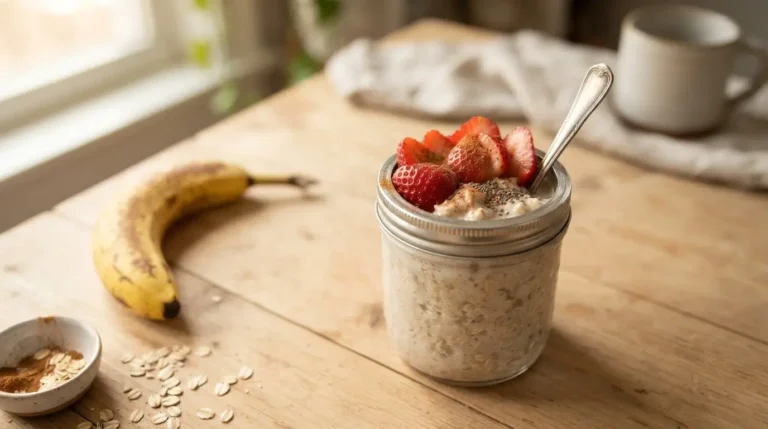
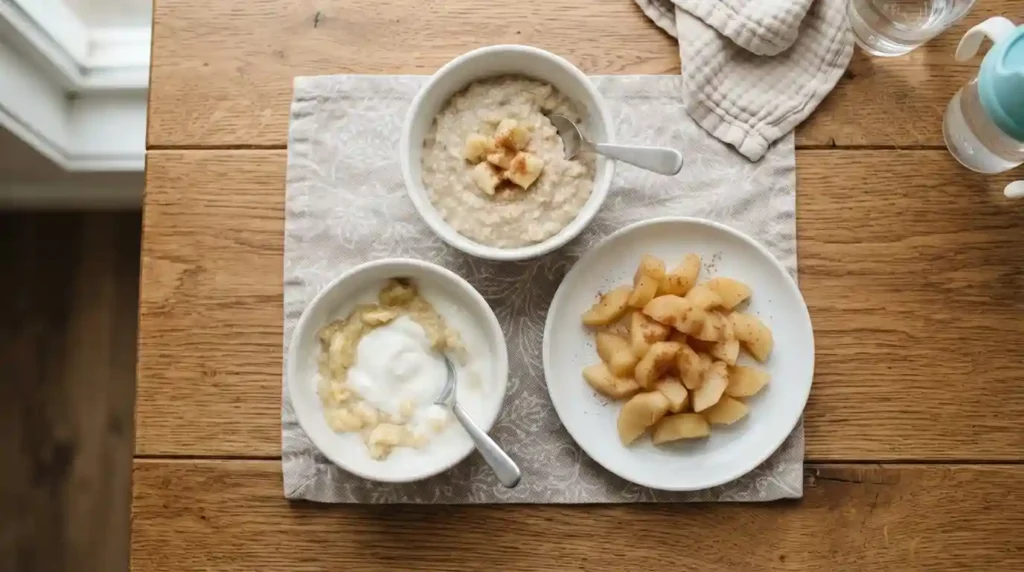
3. Warm Banana Oat Porridge Rolled oats cooked in water or mild milk with a small amount of mashed banana. Familiar, soft, naturally sweet enough to be appealing even when appetite is low. Oats are easy to digest and provide some energy without taxing the digestive system. The banana adds carbohydrate, flavor, and nutrients in a soft texture that may be easy for your toddler to manage.
4. Plain Mashed Sweet Potato Steam or bake sweet potato until very soft, mash completely smooth. No butter needed — plain is better during illness. Sweet potato provides vitamin A and other nutrients, while its soft texture makes it easy to offer when appetite is low. One of the better foods for sick toddler situations involving fever because it provides real nutrition in a gentle format.
5. Warm Apple and Pear Puree Cook apple and pear together until very soft, blend or mash smooth. Serve warm. Naturally sweet, easy to swallow, gentle on the stomach. The warmth can be soothing when a toddler has a fever and feels generally miserable. Most sick toddlers accept fruit puree more readily than vegetables when appetite is low.
6. Plain Yogurt Plain full-fat yogurt at room temperature rather than cold from the fridge — cold yogurt can be uncomfortable when a toddler already feels unwell. Probiotics in yogurt may support immune function during illness, and the protein and calcium keep some nutrition coming in even when solid food intake is minimal. Stir in a small amount of mashed banana or applesauce if plain yogurt is refused.
7. Warm Chicken Soup — Very Mild Chicken soup can be a comforting option when your toddler has a cold, sore throat, or low appetite. If you’re looking for foods for sick toddler, a mild chicken soup is an easy option to offer because the warm broth provides fluids, while soft vegetables and tender shredded chicken can add some nutrition when your little one feels like eating. Keep it mild with shredded chicken, soft carrot, and soft potato in a light broth, without heavy seasoning. Serve the broth with very soft vegetables and tiny pieces of chicken if your toddler is interested or offer mostly broth if they prefer something lighter.
Foods for a Toddler With a Cold or Cough
A cold is the most common childhood illness and most toddlers get through six to eight of them in their first two years alone. The symptoms — runny nose, congestion, mild cough, reduced appetite, general misery — are uncomfortable but usually not serious. The goal with food during a cold is comfort and hydration, with gentle nutrition wherever it is accepted.
The specific question parents search most often is what food to give toddler during cold and cough — and the honest answer is softer, warmer, and more liquid than usual. Cold and congestion make chewing and swallowing harder, and a toddler who is already uncomfortable will not thank you for anything that requires effort.
8. Warm Chicken and Vegetable Soup
Already mentioned for fever, and worth repeating here because it genuinely earns its place at the top of the cold and cough list. The steam from warm soup helps loosen congestion. The broth keeps fluid intake up. The mild flavor is appealing even when a blocked nose has dulled the sense of taste. And most sick toddlers accept soup more readily than solid food during a cold — the liquid format requires almost no chewing effort.
Make it with very soft shredded chicken, soft carrot, soft potato, and a mild broth. No heavy seasoning. Serve warm rather than hot. Let your toddler drink the broth first if they are not interested in the solids — that is fine.
9. Honey and Warm Water — For Over 12 Months Only
For toddlers over twelve months, a small amount of honey stirred into warm water can help soothe a cough. The World Health Organization recognizes honey as a safe and potentially effective cough remedy for children over one year. The warm liquid soothes the throat, the honey coats it, and most toddlers find the sweet warmth comforting when they feel miserable.
Never give honey to a child younger than 12 months because of the risk of infant botulism. The CDC’s guidance on foods and drinks to avoid or limit explains this recommendation and other foods and drinks that young children should avoid or limit.
A small amount — half a teaspoon in a cup of warm water — is enough. This is not a meal but it is worth knowing about as a comfort measure alongside food.
10. Warm Dal Soup — Thin Consistency
Regular khichdi can feel a little too thick when a toddler has a sore throat or congestion. When you’re choosing foods for a sick toddler, try cooking the dal with more water than usual so it becomes almost soup-like rather than thick. The result is warm, mild, and easier to swallow, while still being a familiar meal your toddler may be more willing to eat when they aren’t feeling their best.
A tiny drizzle of ghee on top helps with the flavor. No salt. Serve warm with a small spoon or in a cup if your toddler prefers to drink it.
11. Warm Milk with a Tiny Pinch of Turmeric
Haldi doodh — turmeric milk — is a South Asian remedy for cold and cough that has been used for generations. Turmeric contains curcumin, which has anti-inflammatory properties. A tiny pinch — far less than you would use in cooking — stirred into warm whole milk is mild enough for toddlers and most find the warm sweet milk comforting regardless of any medicinal benefit.
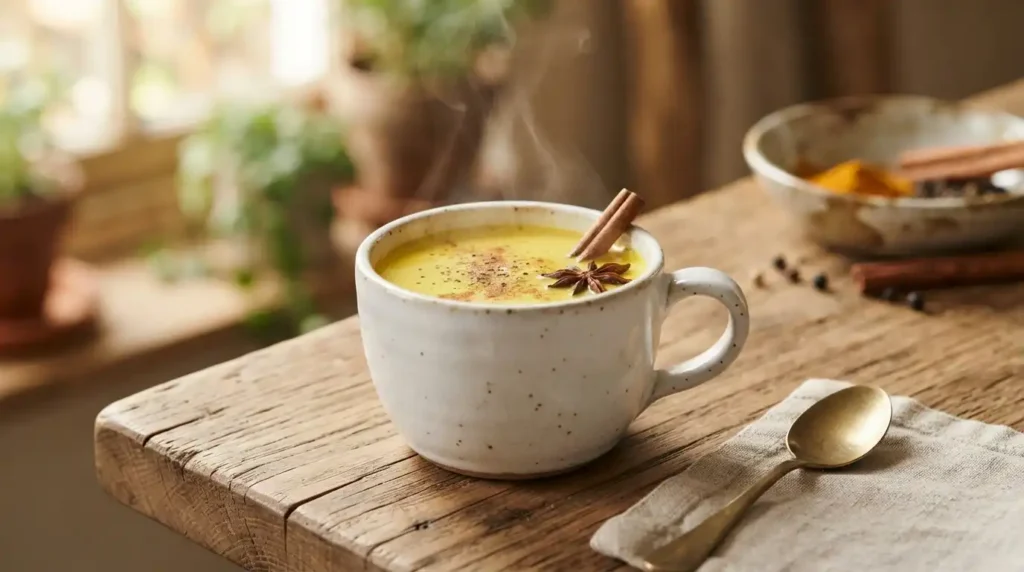
Use a very small amount of turmeric — a pinch on the tip of a teaspoon is plenty for a toddler’s cup. Too much turmeric tastes bitter and will be refused. The milk should be warm, slightly yellow, and mild.
12. Soft Steamed Pear
Steamed pear is one of the gentler foods for sick toddler during a cold. It is naturally sweet, soft, and easy to swallow, which can make it a good option when your toddler isn’t interested in heavier foods. Whether served warm or cooled to a comfortable temperature, soft pear can be a simple, familiar choice when your little one isn’t feeling their best.
Steam until very soft — softer than you would normally serve it — and offer warm or at room temperature.
Foods for Vomiting or an Upset Stomach
A toddler with an upset stomach presents a different challenge — you need to reintroduce food gradually after vomiting, starting with the most easily digestible options and building up slowly as their stomach settles.
The old BRAT diet — bananas, rice, applesauce, toast — is no longer recommended as the exclusive approach by most pediatric organizations, but the foods in it are still genuinely useful as a starting point because they are easy to digest and unlikely to make symptoms worse.
After vomiting, wait before offering food. After vomiting, focus first on small, frequent sips of fluid. If your toddler keeps fluids down and begins to feel better, gradually offer small amounts of their usual foods. If vomiting continues or your child cannot keep fluids down, contact your pediatrician.
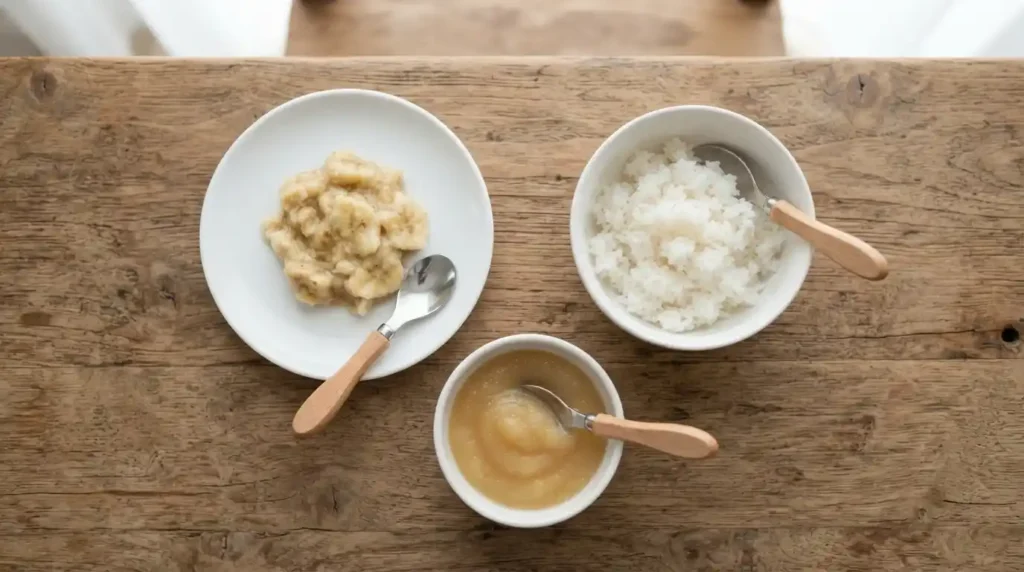
13. Banana
It is one of the most practical first foods for sick toddler after vomiting. Naturally soft, easy to digest, rich in potassium which is lost through vomiting, and something most toddlers find palatable even when feeling unwell. Mash if appetite is very low — a few spoonfuls of mashed banana is a realistic starting point after a stomach upset.
14. Plain White Rice
Plain, soft-cooked white rice — not brown rice, not rice with anything on it, just plain white rice cooked until very soft. Easy to digest, bland enough not to aggravate a sensitive stomach, and filling enough to provide some energy. White rice is easier on the digestive system than whole grains during illness, which is one of the few situations where the refined version is genuinely the better choice.
Serve in very small amounts — a tablespoon or two to start — and wait before offering more.
15. Unsweetened Applesauce
Cooked apple blended smooth can be a simple option when you’re looking for foods for sick toddler. It is naturally sweet and soft, making it easy to offer when your toddler has a low appetite or prefers smoother textures. Serve it at room temperature rather than straight from the fridge and start with a small amount before offering more if your child wants it.
Make your own if you can — just peeled apple cooked in a small amount of water until very soft, then blended. Much better than the packaged versions which often contain added sugar.
16. Plain Toast or Soft Bread
A small piece of plain whole wheat toast or soft bread — no butter, no spread — gives the stomach something to work with without introducing fat, which can be harder to digest during a stomach upset. Keep portions very small and do not push more if your toddler is not interested.
Foods for Toddler Diarrhea
Diarrhea in toddlers is most commonly caused by viral gastroenteritis — the same bug that often causes vomiting. It can also follow a course of antibiotics, which disrupts the gut microbiome. The approach to food during diarrhea has changed significantly in recent years — the old advice to starve the gut is now known to be counterproductive.
Current guidance: Children with diarrhea generally do not need to fast. Continue offering age-appropriate foods for sick toddler in small amounts as tolerated, while making fluids a priority and watching for signs of dehydration. Simple, familiar foods may be easier to manage when your toddler’s appetite is low. Avoid large amounts of sugary drinks or foods that seem to make your child’s symptoms worse.
17. Plain Full-Fat Yogurt with Live Cultures
Plain yogurt can be an easy source of protein and calcium for toddlers who tolerate dairy. Some probiotic products may have benefits for certain types of diarrhea, but effects vary by strain and product. Several studies have found that probiotics reduce the duration of infectious diarrhea in children. Use plain, full-fat yogurt with live cultures — not flavored yogurt which contains sugar that can worsen diarrhea.
18. Soft Cooked Carrot
Cooked carrot is one of the traditional remedies for childhood diarrhea in many cultures — and there is reasonable evidence behind it. Cooked carrot contains pectin and other compounds that help firm up loose stools. Steam or boil until very soft and offer mashed or in small soft pieces.
19. Soft White Rice with Dal Broth
White rice cooked in the liquid from dal makes a simple, mild meal that can be easy to offer when your toddler has an upset stomach or a low appetite. The dal cooking liquid adds some flavor and small amounts of nutrients, while the rice provides a familiar source of carbohydrates. This combination is common in South Asian homes and can be a comforting option during illness, although there is no need to follow a strict BRAT-style diet. A mild bowl of dal can also be a comforting option when your toddler is willing to eat. You can try our easy dal recipes for toddlers for simple, mild variations.
20. Boiled Potato — Plain
Plain boiled potato mashed without butter or milk during diarrhea. Starchy, filling, easy to digest, and something most toddlers find acceptable. Avoid adding fat during active diarrhea — plain is better until symptoms settle.
21. Oral Rehydration Solution
Not a food, but one of the most important things to focus on when your toddler has diarrhea is hydration. Diarrhea can cause the body to lose fluids and electrolytes, especially when stools are frequent. An appropriate oral rehydration solution (ORS) can help replace the fluids and electrolytes lost through diarrhea. Offer small, frequent sips throughout the day, especially if your toddler is not drinking much at once.
If your toddler refuses the oral rehydration solution, try offering it frozen as small ice chips. And offer small, frequent sips throughout the day. If your toddler refuses an oral rehydration solution or is losing a lot of fluid through vomiting or diarrhea, contact your pediatrician for guidance.
Foods for Toddler Constipation
Constipation is one of the most common digestive complaints in toddlers — and one of the most stressful for parents to manage, partly because it can be difficult to tell whether your toddler is genuinely constipated or simply having a normal variation in their pattern.
A toddler is constipated when their stools are hard, dry, and difficult to pass — not simply when they have not had a bowel movement for a day or two. Some toddlers naturally go every two to three days without any discomfort, and that can be completely normal. The signs that suggest actual constipation are hard, pellet-like stools, visible straining and discomfort during bowel movements, a distended or hard-feeling abdomen, and sometimes a toddler who seems to be deliberately holding back because passing stools has become painful.
Foods to help toddler poop are ones high in fiber, high in natural fluid content, or both. The approach is gentle and gradual — adding too much fiber too quickly can actually make things worse before they get better. Once your toddler’s appetite returns, you can bring back a wider variety of meals, including simple options from our healthy breakfast ideas for 1-year-olds guide.
22. Prunes and Prune Puree
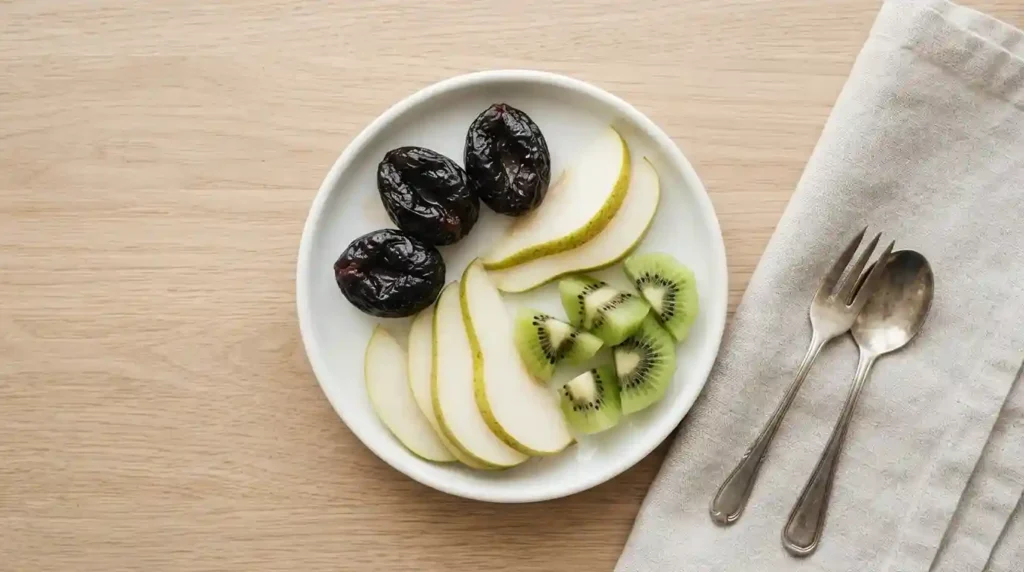
Prunes are a helpful food to include when your toddler is dealing with constipation. They contain sorbitol, a naturally occurring sugar alcohol that can help draw water into the bowel and soften stools. Prunes also provide fiber, making them a useful addition to a varied diet when your toddler needs support with regular bowel movements.
For toddlers, offer two to three prunes softened by soaking in warm water, or a few tablespoons of prune puree. The effect is usually noticeable within 12 to 24 hours. If your toddler refuses prunes on their own, stir prune puree into oatmeal or mix with plain yogurt — the flavor becomes much milder when blended with something else.
Start with a small amount and increase gradually — too many prunes too quickly can cause discomfort in the other direction.
23. Pear — Fresh or Pureed
Pears are another fruit that can help support softer stools because they provide fluid, fiber, and sorbitol. Unlike prunes, the effect is milder and more gradual, making it a good first choice before moving to stronger options.
Offer very ripe fresh pear in small soft pieces, or steamed pear mashed to a puree. Pear juice diluted 50/50 with water is also effective and often more readily accepted by toddlers who refuse solid pear. A small glass — about 60ml of diluted juice — is usually enough to have a gentle effect.
24. High Fiber Foods — Oats, Beans, Lentils
Regular inclusion of high-fiber foods is the most sustainable long-term approach to preventing constipation. Rolled oats for breakfast, lentils and beans in lunch and dinner, whole grain bread — these all contribute to healthy gut function when included consistently.
During an active constipation episode, increase fiber gradually rather than dramatically. A sudden large increase in fiber without corresponding increase in fluid intake can actually worsen constipation by creating bulkier, drier stools. Increase fiber and increase water intake simultaneously.
Dal is particularly useful here — cooked moong or masoor dal provides both fiber and fluid in one dish, making it one of the best foods for constipated toddler situations. Include it several times a week as a preventative measure.
25. Kiwi Fruit
Kiwi is one of the more surprising entries on the best foods for toddler constipation list — but the evidence for it is genuinely good. Several studies have found kiwi fruit effective for constipation in children, likely because of its unique combination of fiber, water content, and specific enzymes. Kiwi can be included as part of a varied diet if your child enjoys it. Offer it in a soft, age-appropriate form.
For toddlers, peel and cut into very small soft pieces. The seeds are fine to eat. Most toddlers find the sweet-tart flavor appealing and the soft texture is manageable without much chewing.
26. Water and Fluid Intake
Not a food but the most important constipation intervention available. Hard stools are almost always partly a dehydration issue. Increasing fluid intake alongside dietary fiber is consistently more effective than either alone.
Offer water throughout the day — not just at mealtimes. Keep a small cup accessible and visible. Some toddlers drink more from a novelty cup or straw — if that helps, use it without guilt.
27. Foods to Help Toddler Poop — Movement Matters Too
Worth mentioning alongside food: physical movement stimulates gut motility. A constipated toddler who is also sitting still all day is harder to help than one who is running around. Warm baths can also help relax the muscles involved in bowel movements — a warm bath followed by some active play is a genuinely useful combination alongside dietary changes.
Foods to Limit During Illness
Some foods actively worsen symptoms during illness and are worth knowing about specifically so they can be removed from the rotation temporarily.
During fever and general illness: Heavily processed foods, fried foods, and anything high in added sugar — all of these are harder to digest and can increase inflammation when the body is already working hard.
During upset stomach and vomiting: Dairy other than yogurt — milk and cheese can be harder to digest during gastroenteritis. Fatty foods — the digestive system struggles with fat during a stomach upset. Fruit juice other than diluted apple — high sugar content can worsen nausea.
During diarrhea: Sugary drinks and undiluted fruit juice — sugar draws water into the intestine and can worsen diarrhea significantly. High-fat foods — hard to digest during active diarrhea. Artificially sweetened foods — sorbitol and other sugar alcohols have a laxative effect.
During constipation: Processed foods low in fiber — white crackers, packaged biscuits, rice cakes as the primary food — without corresponding high-fiber foods. Excessive dairy — large amounts of milk and cheese can be constipating in some toddlers. Bananas — ripe bananas are fine in normal amounts but unripe bananas can worsen constipation.
When to Call Your Pediatrician
Most childhood illnesses resolve on their own with rest, hydration, and gentle nutrition. But there are specific signs that warrant a call to your pediatrician rather than home management:
Contact your child’s pediatrician promptly if:
- Your toddler is drinking very little or shows signs of dehydration.
- They are repeatedly vomiting or cannot keep fluids down.
- Diarrhea is frequent, severe, or accompanied by blood.
- They are unusually sleepy, difficult to wake, very weak, or seem significantly more unwell than expected.
- They have trouble breathing, a stiff neck, severe pain, or another concerning symptom.
- Fever is persistent or you are worried about how your child looks or behaves.
- You are unsure whether your toddler needs medical attention.
This list is not exhaustive. If something feels wrong, call. Parents know their children and that knowledge is clinically relevant.
Frequently Asked Questions
One Last Thing
A sick toddler who is not eating much is one of the more stressful parenting experiences — not because it is medically serious in most cases, but because the helplessness of not being able to fix it with food is genuinely difficult. You offer things, they get refused, you worry, you offer something else. When you’re choosing foods for sick toddler, remember that you don’t need to create a perfect meal — simple, familiar options are often enough while your little one recovers.
The most useful reframe is that your job during illness is not to maintain normal nutrition — it is to maintain hydration, offer gentle food without pressure, and be present. Appetite often returns as recovery happens, so try not to worry if your toddler eats less than usual for a short time.
Keep warm broth in the fridge when illness strikes. Keep plain yogurt, soft fruit, and rice available. Know the signs that warrant a call to your pediatrician. And remember that, in many mild illnesses, rest, fluids, and a few days of simple foods can be all your toddler needs while they recover.
This article is for general informational purposes only and does not replace advice from your child’s pediatrician or a registered dietitian. If you have any concerns about your toddler’s nutrition, growth, or feeding, please speak to a qualified healthcare professional.